It’s difficult to predict the future, and the need to remain constantly in the present is a strain, especially when there’s a wealth of historical material that can be recycled and reinvented.
Retro designs, in one way or another, are almost always in fashion.
The re-emergence of old technology such as the letterpress, screen printing, and Kodak-style photography, show the influence the pas has on the contemporary visual culture.

Example of Kodak-style Photography
https://www.format.com/magazine/resources/photography/how-to-develop-film-35mm-120
Many trends that seem to be completely new have roots in much earlier ideas, and designs. The past will always maintain an influence on the present, but over-reliance on these well-used signs can erode them to the point of cliché.
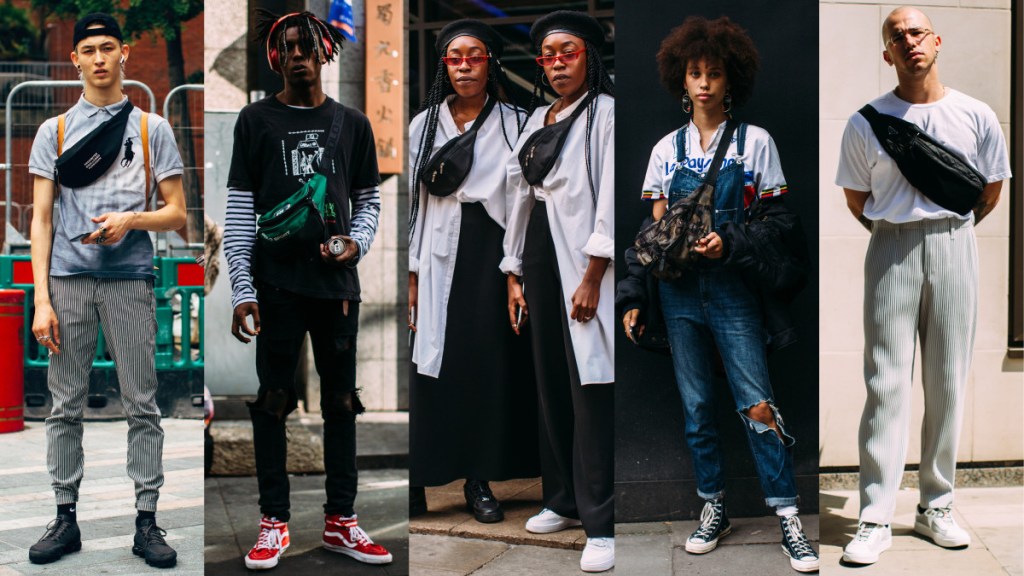
https://fashionista.com/2018/06/london-fashion-week-mens-spring-2019-street-style
Fanny packs are a perfect example of this, they were once trendy in the 1990’s but fell out of trend and now have been making a comeback in street style, but are worn differently then they were in the 90’s.
Fanny Packs are now a very common and trendy item amongst young people, and can be worn in everyday street way but is also used in a practical sense during music festivals or order to keep your valuable closer to you and less likely to be stolen.
Many visual communicators draw on the semiotic power of well-known images to make their messages more recognisable, or draw on the ideas of the original to put forward a counter argument.
Why fix something that isn’t broken?
The 1914 wartime recruitment poster of Lord Kitchener declaring “Your country needs you” has been reused by other countries in other conflicts and by campaigners i.e. “You hospital needs you”
Shepard Fairy did a similar thing for Obama’s 2008 campaigning “Hope” poster. The “Hope” poster has in turn been re-appropriated by protest groups to draw attention to other political issues.
 OCA Art Blog