How are our experiences of time and place represented visually?
Comics, animations or moving image present a narrative that plays out frame by frame over time, using a sequence of images to cut from one view to another and identify points in time.
Literary devices (dialogue, descriptions, third person narration, or written sounds) are combined with the frames.
Single frame images can also work to present a visual story by structuring the visual information so we read it in a particular order.
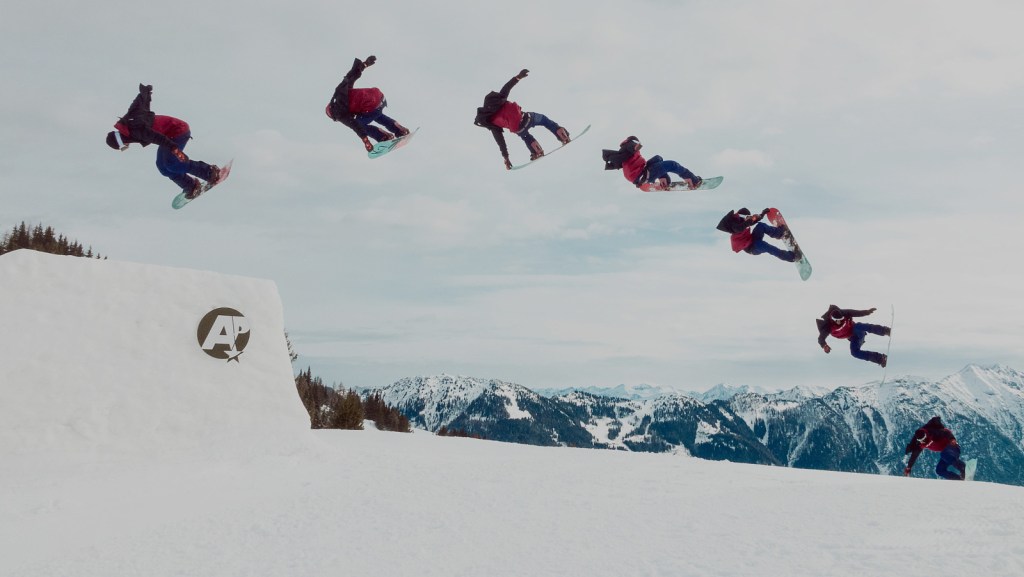
https://iso.500px.com/tutorial-how-to-shoot-sports-sequences-like-a-pro/
What distinguishes one visual narrative from another is their use of composition, framing, and structuring. Changing the way and image is framed can radically change how it’s read.
In cinema we are used to things in square, maybe because we generally like the view with our eyes parallel to the horizon. Tilted angles and rooms take a different or more dramatic meaning.
Viewers become more accustomed to visual conventions that present the world in a particular way.
e.g. We expect illustrative representations to conform to the rules of perspective, so that things generally look similar to how we perceive theme in the world.
The Cubists’ still life paintings tried to show objects from every angle, not just a single viewpoint.
The idea of realistic visual representation in one convention amongst many other approaches that contemporary visual communicators draw upon.
 OCA Art Blog