The overarching goal of Slow Design is to promote well-being for individuals, society, and the environment. Slow Design seeks a holistic approach to designing that takes into consideration a wide range of material and social factors, and the short and long term impacts of the design.
Slow Design is seen as the next step in the development of sustainable design, balancing individual, socio-cultural, and environmental needs.
There are 6 Core Principles of Slow Design:
Principle 1: Reveal
Slow Design reveals over-looked spaces, experiences, materials, and processes in the day to day life. “Think beyond perceived functionality, physical attributes and lifespans to consider artefact’s real and potential expressions.”
Principle 2: Expand
We should consider aspects beyond space and aesthetics, instead pay more attention to the interactions that take place between human beings, objects and space.
Principle 3: Reflect
Slow Design induces contemplation, and ‘reflective consumption.’ Designers are questioning not only ecological values, but also perceptual and emotional experiences that the unique material can deliver. “They encourage designers to create with wellbeing in mind, and emphasise ephemeral beauty that reminds us that everything is transient and short-lived.”
Principle 4: Engage
Slow Design’s process is “open source” and collaborative, relying on sharing, co-operation and full transparency on all information. Design charrattes are very important for collaboration and to show full transparency. charratte: a public meeting or workshop devoted to a concerted effort to solve a problem or plan the design of something.
Principle 5: Participate
It encourages people to be more active in the design process, embracing ideas of conviviality, and exchange to foster social accountability and enhance communities. Many clients who are about to tae part of the design process, are usually more satisfied with the end result.
Principle 6: Evolve
Slow design recognises that richer experiences can emerge from the dynamic maturation of artifacts and environments over time. This means looking ahead, evaluating processes and outcomes that are most reliable and needed for a better future, and becoming agents of both preservation and transformation.
In my opinion slow design could definitely have a positive impact on our consumption of products, and our wellbeing, however this movement hasn’t yet reached the design of mass consumer products.
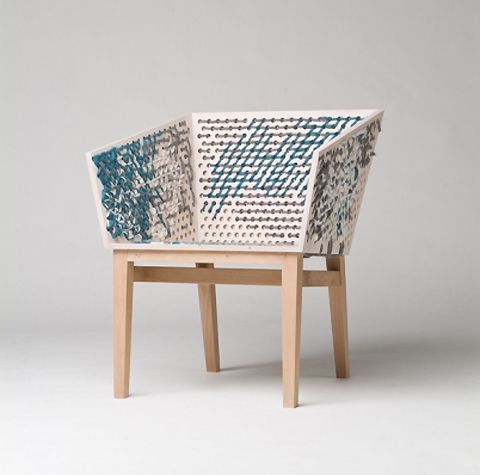
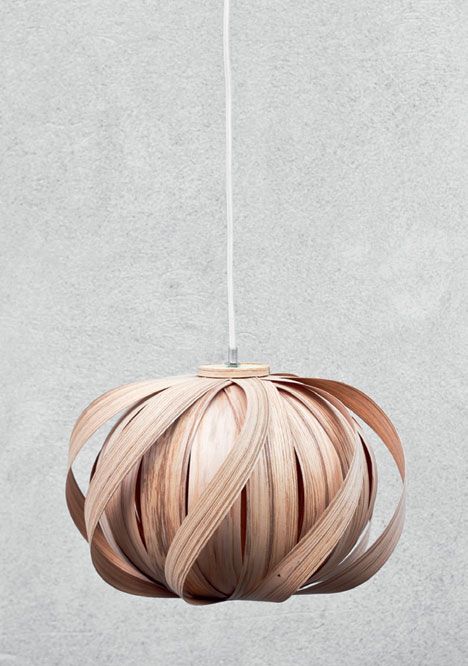
Yes I would place more value on a product that was made with these principles because it seems more personal and more connected, as well as the way it was made is a lot better for the environment and would cause less problems to the earth. I was also enjoy that I would be able to have a say and be able to participate in the making of the piece, as the client.
 OCA Art Blog