Marianne Straub: Maquette Textile 1970
Moquette derived from the French word carpet.
Art or DESIGN
Temporary or PERMANENT
Large Scale or SMALL SCALE
TRANSFORMING and/or DEFINING and/or Forming
IMMERSIVE and/or Distant
PATTERN and/or COLOUR and/or REPETITION and/or Shape
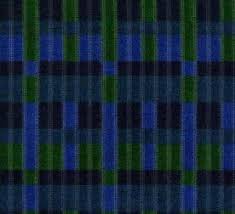
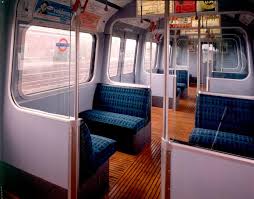

and underground trains
https://www.ltmuseum.co.uk/collections/collections-online/photographs/item/1983-249?&apiurl=aHR0cHM6Ly9hcGkubHRtdXNldW0uY28udWsvYWxsP3Nob3J0PTEmc2tpcD0wJmxpbWl0PTQ4JnE9c3RyYXVi
Straub’s standard moquette textile was used throughout 1970 on London buses and Underground trains, and also some British Rail carriages.
Moquette is a woven textile. It’s a type of woven pile fabric in which cut or uncut threads form a short dense cut or loop pile. The pile construction is very durable, and ideally suited for public transport. Its upright fibres form a flexible, non-rigid surface, which are constantly displaced to give durability and anti-stain benefits. https://en.wikipedia.org/wiki/Moquette
Colour, pattern, and design in textiles used for automotive applications like this often tend towards busy and vibrant.
Thinking back to Visual Communications….
The Moquette textile has set a pattern for the rest of public transport over many other countries and many other parts of the world. Because of the patterns constant use in the 1970’s for London buses and underground trains, it has now grown to be known and seen as the public transport textile, and many other textiles have formed and grown from this exact type of textile.
When people see these textiles there mind will now always go to the same idea of public transport, and they may even seem out of place if they are seen/used outside of public transport.
 OCA Art Blog