Textiles in relation to the body come from many forms, from fashion t part and somewhere in between. The tactile, visual, drape, handle, protective and durable qualities of textiles all lend themselves to expression and to wearing.
The overriding concerns of producing garments are aesthetics, the functional qualities of the textiles, cost, production possibilities, and ethical and sustainability concerns.
- Aesthetic considerations are predominantly the look and feel and how the materials can be manipulated to become wearable and functional in their intended contexts e.g. evening wear, sportswear, nightwear. Aesthetic qualities are more apparent at first then the functional qualities.
- Functional considerations centre on comfort, durability, and protection, especially in clothing for more extreme uses or environments e.g. skiwear, construction work wear, wilderness trekking wear, sportswear. Individual judgement is less significant here; a garment is either appropriate for its intended function or not.

Fig.1. Example of Casual Comfort Trendy Clothing 
Fig.2. Example of High fashion unconventional unique Clothing 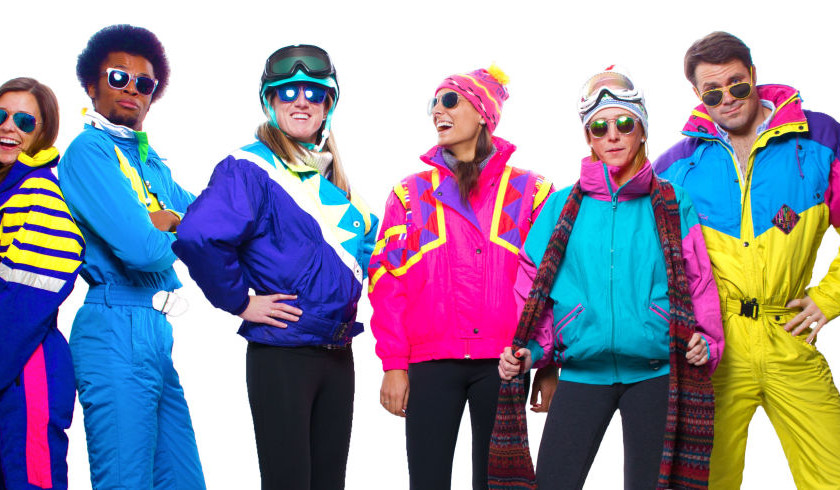
Fig.3. Example of skiwear which relies on functionality
Fig.2. https://www.marquisoffashion.com/how-to-understand-high-fashion/
Fig.3. https://snowcomparison.com/magazine/history-of-ski-wear-part-one/
A textile’s qualities influence the garment it becomes- its silhouette, drape, volume, movement, opacity, an transparency, colour and mood, pattern, decoration, and texture- to a point where it’s almost impossible to distinguish one from the other.
 OCA Art Blog