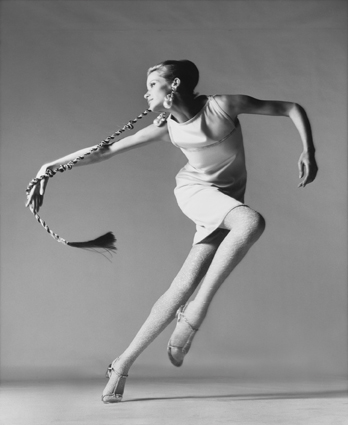
Richard Avedon‘s iconic imagery captures the movement of textiles, garments, and models in striking poses. You can feel the drape and weight of the textile used to create the garments. It’s generally difficult to represent the kinetic energy present in garments through still photography, but Avedon’s images seek both present and add to this dynamic.
Avendon seems to do a lot of his photography in black and white, which can come across are more dramatic or sinister, however with the way he gets his models to pose for the clothing the images almost seems warm, and freeing. He tries to show off the silhouette and drape style of the garments by getting his models to move around and pose in unique positions that shows the clothes off in an unusual yet captivating way.


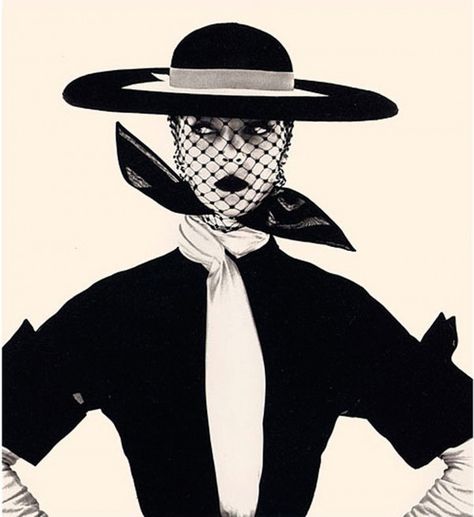
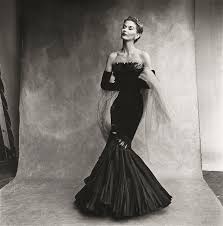
Irving Penn was one of the twentieth century’s great photographers, known for his captivating images and masterful printmaking. He was known as one of Vogue magazine’s top photographers for more than sixty years. Penn was an intensely private man who avoided the limelight and pursued his work with quiet and relentless dedication. https://irvingpenn.org/biography
Many of Penn’s photography seems to be done in black and white, which seems to almost bring more drama and more of a statement to the pieces. His images have a lot of attitude, and bring a new level of fierce attitude to this otherwise elegant, and classy pieces. The images being in black and white means you can’t see much texture, or any colour, but because of the silhouette of the pieces and the way they’ve been made the shape on their own makes a statement.

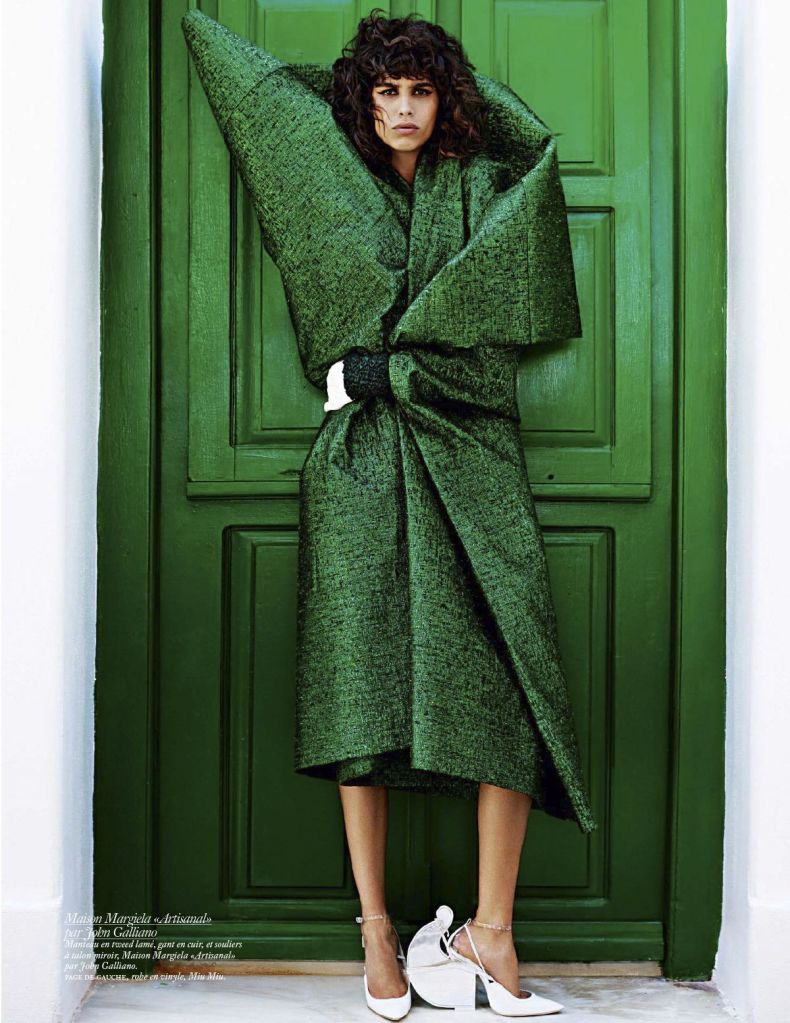
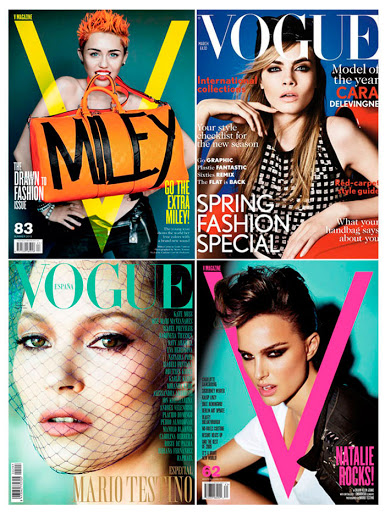
Mario Testino is widely known as one of the most influential fashion and portrait photographers of our time. His photographs have been published internationally in many famous magazines such as, Vogue, V Magazine, and Vanity Fair. He has contributed to the success of many leading fashion and beauty houses, creating dazzling symbolic images. https://www.mariotestino.com/biography/
In Mario Testino’s work you can that he likes to show off the clothing, and use it at many different potentials. For monochromatic looks he tries to have the background the same colour or in complimentary colours, so the clothes almost blend into the background but still shows off the texture of it. He likes his looks to be extravagant and to stand out, the makeup will stand out, the clothing will, and the image will capture it so perfectly, and be instantly gravitated towards it.
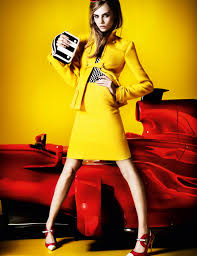
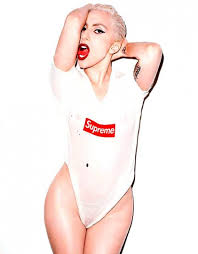
Terry Richardson is a fashion and portrait photographer, who has worked with magazines such as Rolling Stones, Vogue, Vanity Fair etc. as well as has worked with many brands like Marc Jacobs, Tom Ford, Yves Saint Laurent, etc. He has been accused of sexual assault and exploitation, by multiple models during fashion shoots, and is now under investigation by the New York City Police Department’s Special Victim’s Squad. https://en.wikipedia.org/wiki/Terry_Richardson
Looking at Terry Richardson’s work you can see that he seems to do more expressive pieces, where the models can really be themselves and be a bit more explicit. His family pieces seem to be all again a white backdrop, as to not take away any attention from the model who should be the centre of attention. In his photos the garments seem to be more of a second photo, as the models are bringing so much personality, the garments almost fade away, and aren’t as important as the photo/look as a whole.


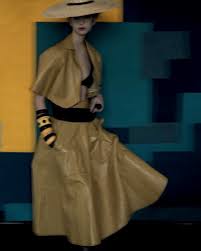
Sarah Moon, originally known, as Marielle Warin, is a French photographer and a member of the HonFRPS (Royal Photographic Society of Great Britain). Sarah Moon started off as a model ,and become a fashion photographer in the 1970’s, but since 1985, she has concentrated on gallery and film work. https://en.wikipedia.org/wiki/Sarah_Moon
Sarah Moon’s photography is very interesting and different to other photographers. She seems to add a sort of blur effect onto a lot of her images, which makes the seem quite mysterious and unique. She seems to add a lot of drama and intrigue to the clothing, and shows off each piece very simplistically. Even though she hasn’t put her models in any dramatic poses, she is still able to show off the silhouette of the clothes, and their style by just capturing in her high-fashion style.


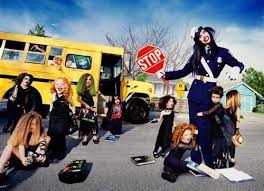
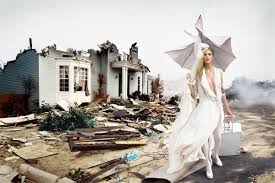
David Lachapelle’s style is hyper-saturated, theatrical, surrealistic and a combination of art history and contemporary pop culture, which isn’t everyone’s ‘cup of tea’. He has been widely criticised for being too commercial, offensively provocative and grotesque. However, he is still an essential figure in photography, and greatly successful having worked with some of the biggest names in both the fashion and entertainment industry. https://www.forbes.com/sites/yjeanmundelsalle/2014/09/19/david-lachapelle-from-fashion-photography-to-fine-art/#4b1b357d2023
David Lachapelle really bring fashion photography to another level, with the exotic ways he chooses to capture his models and clothing garments. As seen below, you can see that all of the pieces stand out and make their own statement in completely different ways, and bring so much character. In his Disaster Series (Fig.2.), he both seems to bring awareness to the destruction and damage in the work, as well as showing off the pure elegance of the models and their well draped clothing.

 OCA Art Blog