Silhouette:
The silhouette of a garment is not only determined by how a garment is cut, but also by the softness and fluidity of the textile used. The silhouette is the overall shape of a garment that determines the outline of the form.
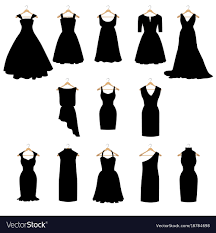
Examples of Silhouettes 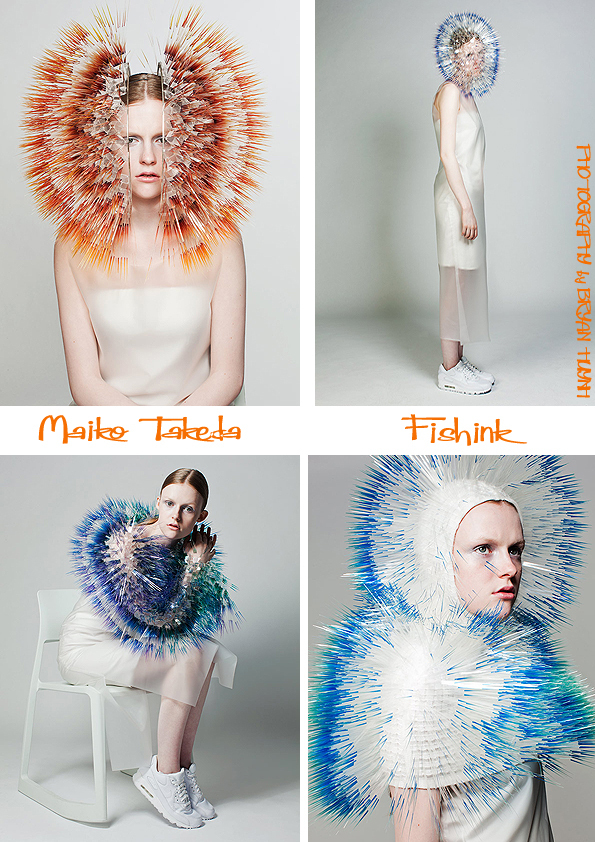
Maiko Takeda’s Work
Volume:
Closely associated with silhouette, volume addresses the space around the body created by the garment. Volume is created through weight and thickness of a textile itself. Heavier fabrics require room to fold and drape and can easily produce bulkier volumes as they stand away from the body. Lighter fabrics can produce more subtle, flatter volumes, or be layered to build pronounced volumes focused on certain parts of the garment.
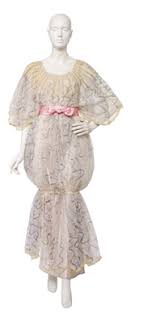
Zandra Rhodes 
Heavy Fabric 
Zandra Rhodes
Drape and Movement:
Drape is the way in which a fabric or garment hangs, and is influences by the structure and weight of the fabric. Drape is applied by using excess fabric to build folds, gathers and pleats e.g. wedding dresses can have a lot of excess fabric to drape, long sundresses can be draped.
The quality of a drape textile is determined by its softness, rigidity, and weight. A fabric that is said to drape well is usually fluid, soft, and with a rounded handle. The drape of a textile allows it to be manipulated on the body in the process of garment design, in a sculptural manner.
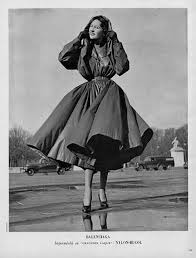
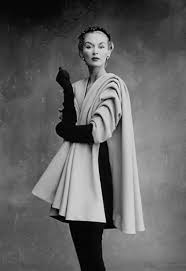
In Balenciaga’s coat of the 1950s, tumbling soft folds down the sleeve and across the shoulder create a luxurious statement of abundance of fabric and an elegant silhouette. Garments with draped elements like this appear effortless, but in fact require a lot of skill in their construction to retain fluidity and to reduce any sense of bulkiness.

Texture:
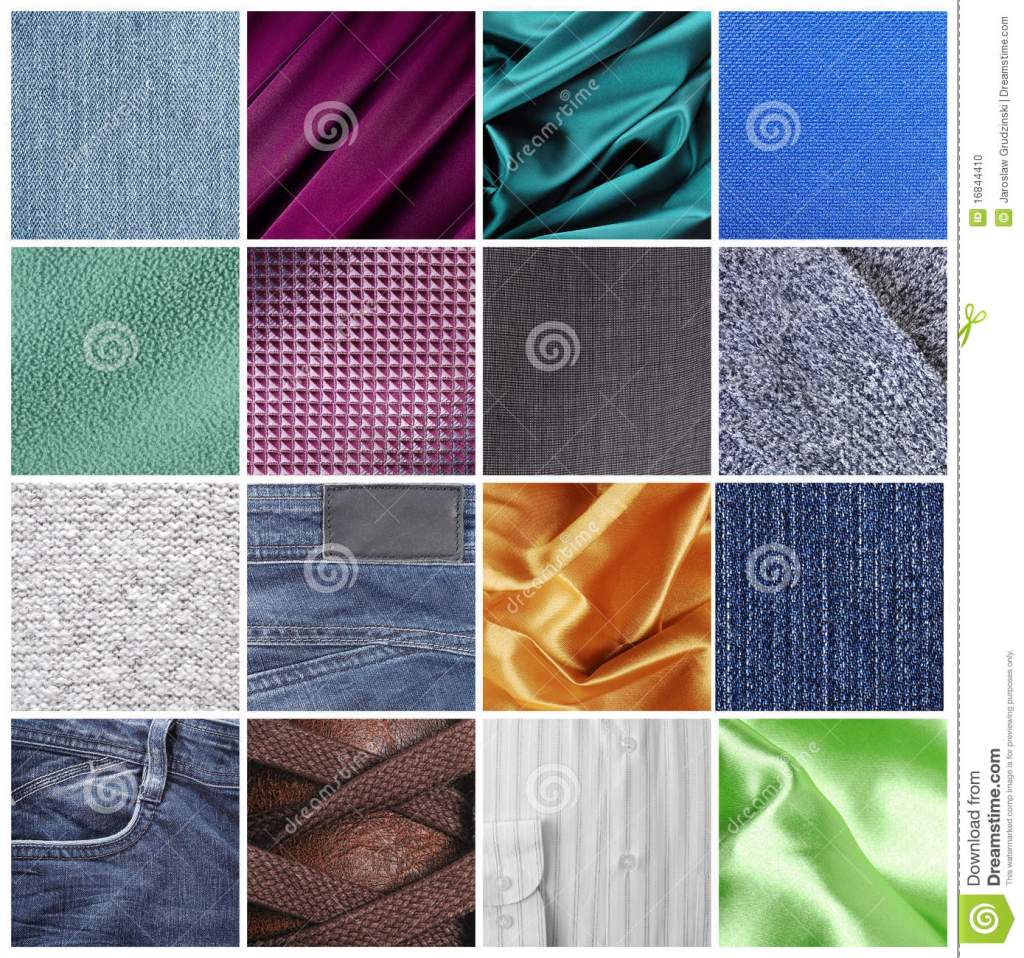
Texture is about providing a visual and tactile surface quality to garments. Examples of texture fabrics are, tweed, honeycomb, matelassé, cord, velvet, and seersucker. Texture can be determined by the fibres used, the design of the yarns in the fabric, the techniques used to create the textile, and the finishes applied to the surface of the textile. Finishing processes (brushing, laminating, foiling, pressing, felting) can alter and enhance the surface and tactile quality of a textile, and can affect a fabric’s quality of drape.
Colour:
Colour is the first quality that provokes a response from most people when viewing a garment. Colour in textiles is an extremely important consideration and can be guided by the designer’s personal choice, themes and inspiration, design trends, fashion trends and can even be directed by trend prediction companies years in advance of being sold in stores.

In fashion colour palettes are created to guide the colour use across a collection. Some designers use colour as the strong point of focus in their collections, whilst others purposely avoid extensive colour palettes and ver towards monochromatic solutions.
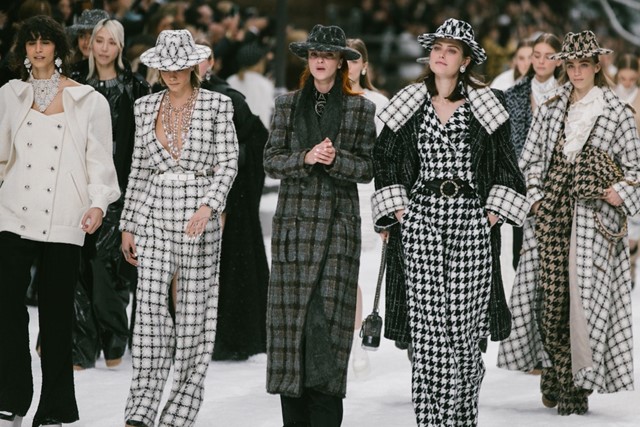
Monochromatic Chanel FW 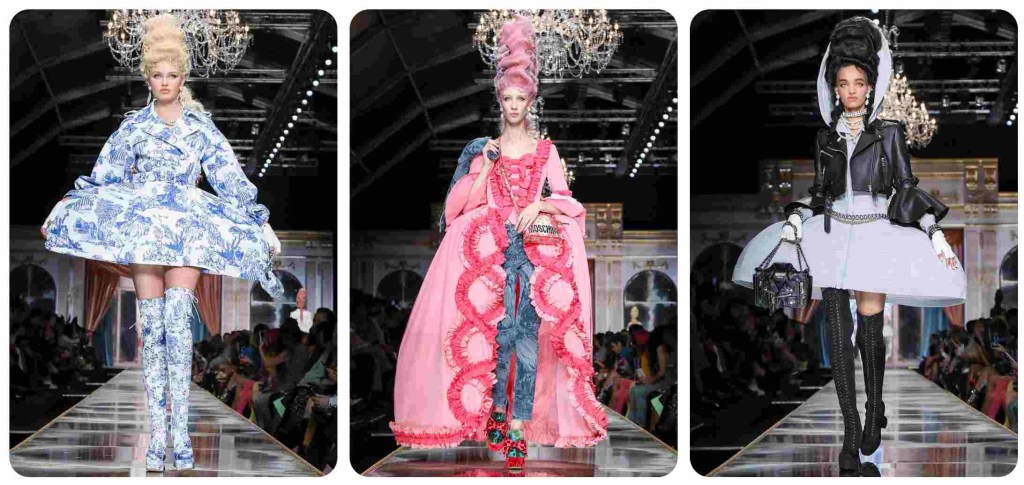
Colourful Moschino FW “Royal Punk”
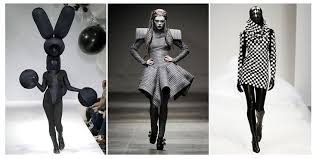
Monochrome 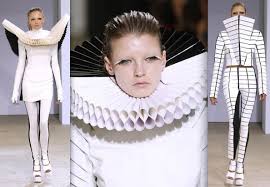
Gareth Pugh’s Style 
Zandra Rhodes’ Style 
Colourful
Zandra Rhodes uses both colour and pattern to create her signature vibrant designs. However, fashion designer Gareth Pugh has built his signature design statement on collection of monochrome sculptural garments.
Colour is an interesting quality within the fashion production cycle as it can be added at different points within the production time frame. It can be added at the fibre production stage; it can be added in the production of yarn; it can be composed or added at the textile creation stage; or it can be added at the very last minute after garment has been constructed.
Sarah Moon captures the way Japanese designer Issey Miyake works with colour. His garments are often made in solid colours, to show off the crisp, defined textures, leaving the wearer to piece them together in blocks to form graphic outfits.
Pattern and Print:
Following on from colour, pattern, and print are highly sought after by fashion designers. Textiles can be created in all-over repeat patterns or can be designed as placements prints so that motifs appear in predetermined positions on a garment.
In addition to print design, embellishment processes- embroidery, beading, needle-punch, etc. – can be applied to textile surfaces to add motifs, pattern, and texture.
 OCA Art Blog