Gallery or Site Visit

First Contemporary Art Piece

“Broken Chair” by Daniel Berset made in 1997. Made entirely of wood and is 12 meters high.
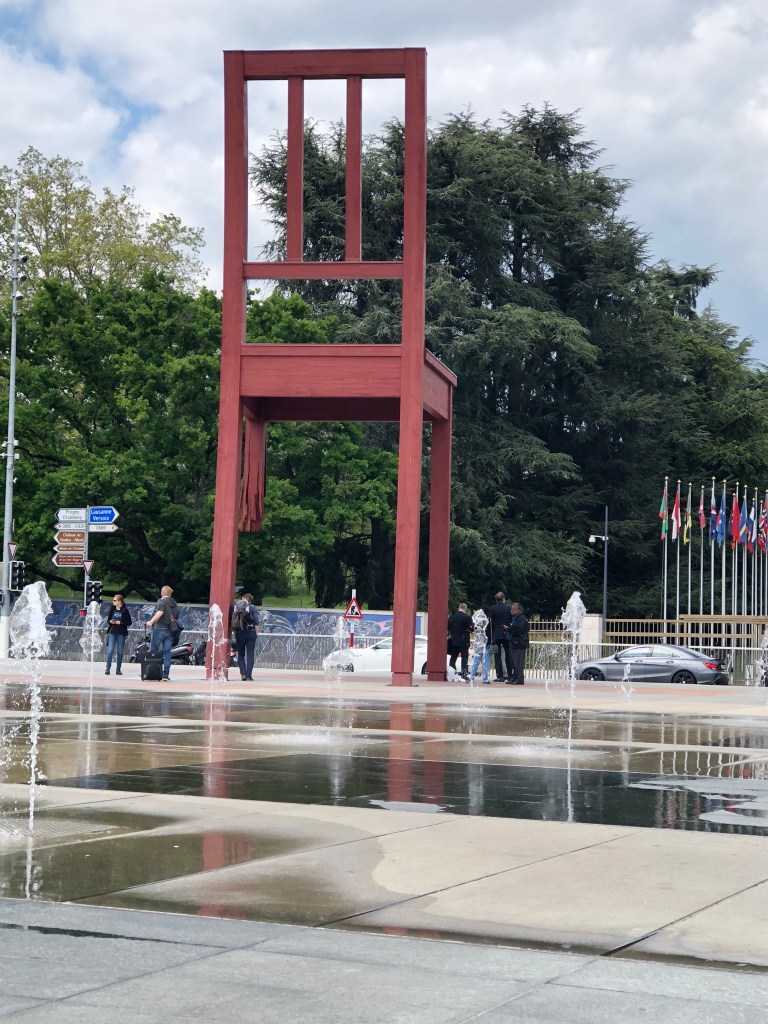
This is a site-specific sculpture in Geneva, Switzerland, it is situated right in front of United Nations of Geneva. The piece was erected on August 18st in 1997 by Handicap International. It was built to support the treaty against and banning of Cluster Bombs (landmines). I am very familiar with this piece, and it’s message is very powerful and beautiful.

Second Contemporary Art Piece:

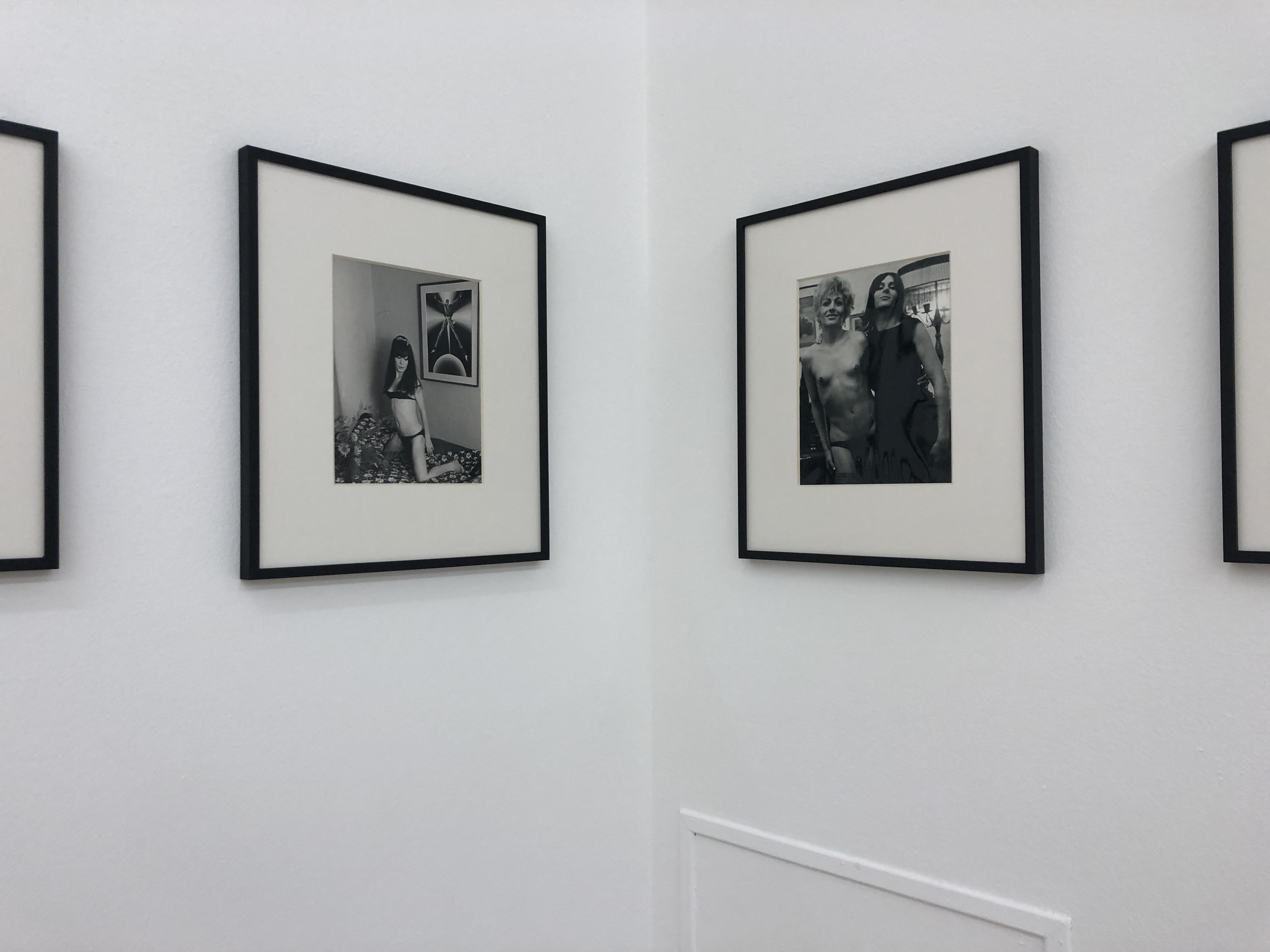
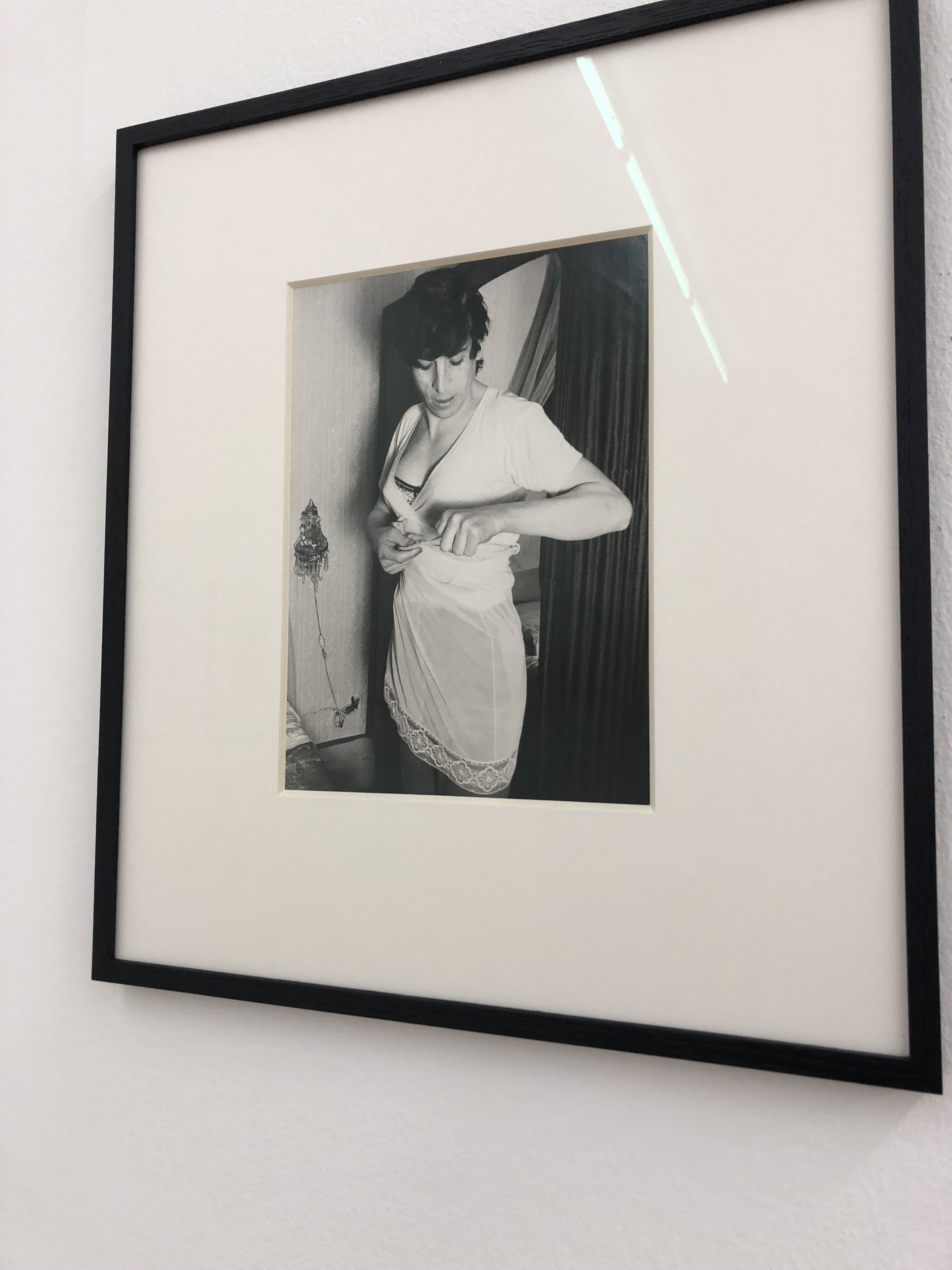
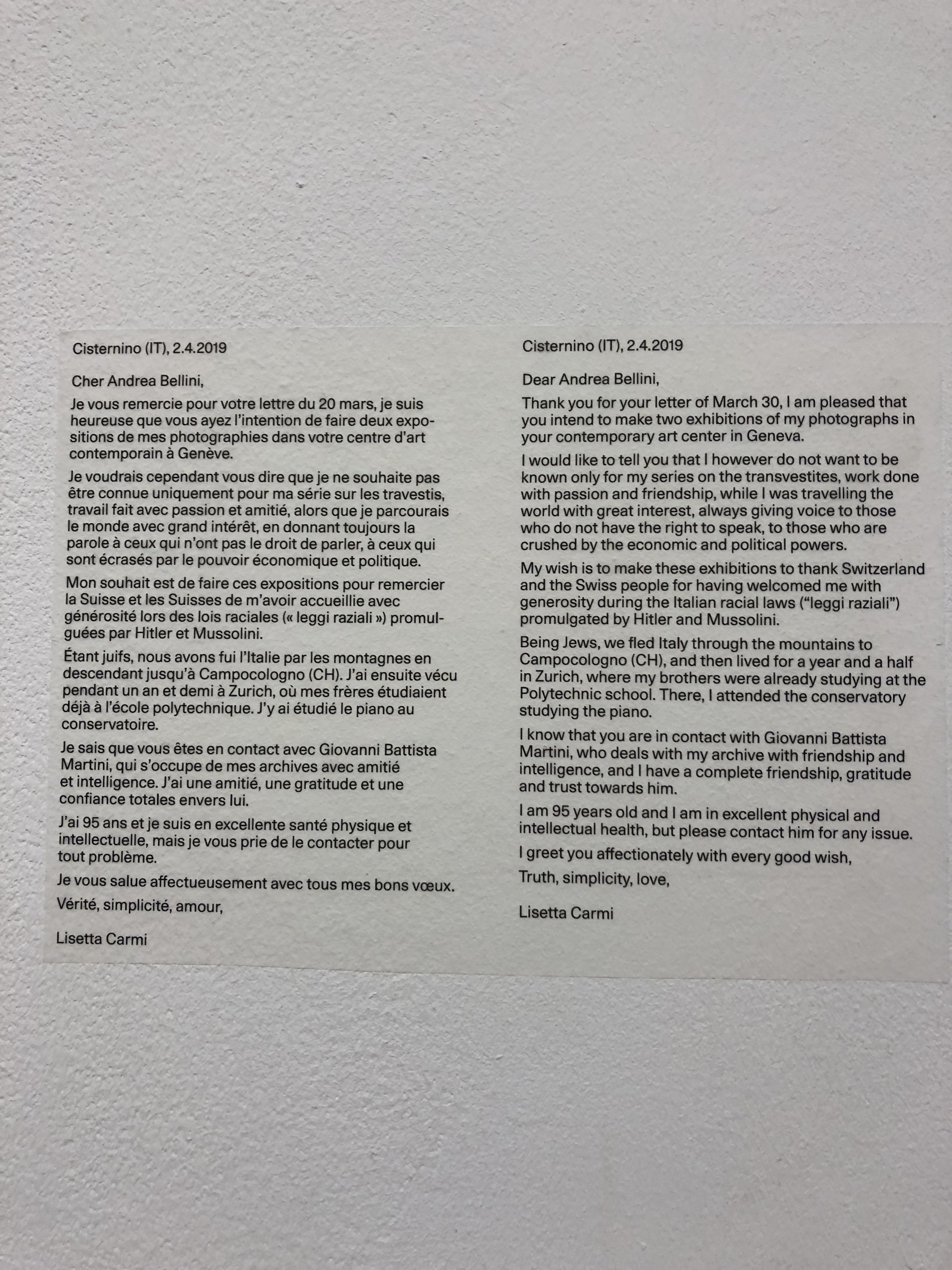
“Travestiti” by Lisetta Carmi made between 1965-1971. This is a collection of photographs of transvestite people in the 1960s-1970s.
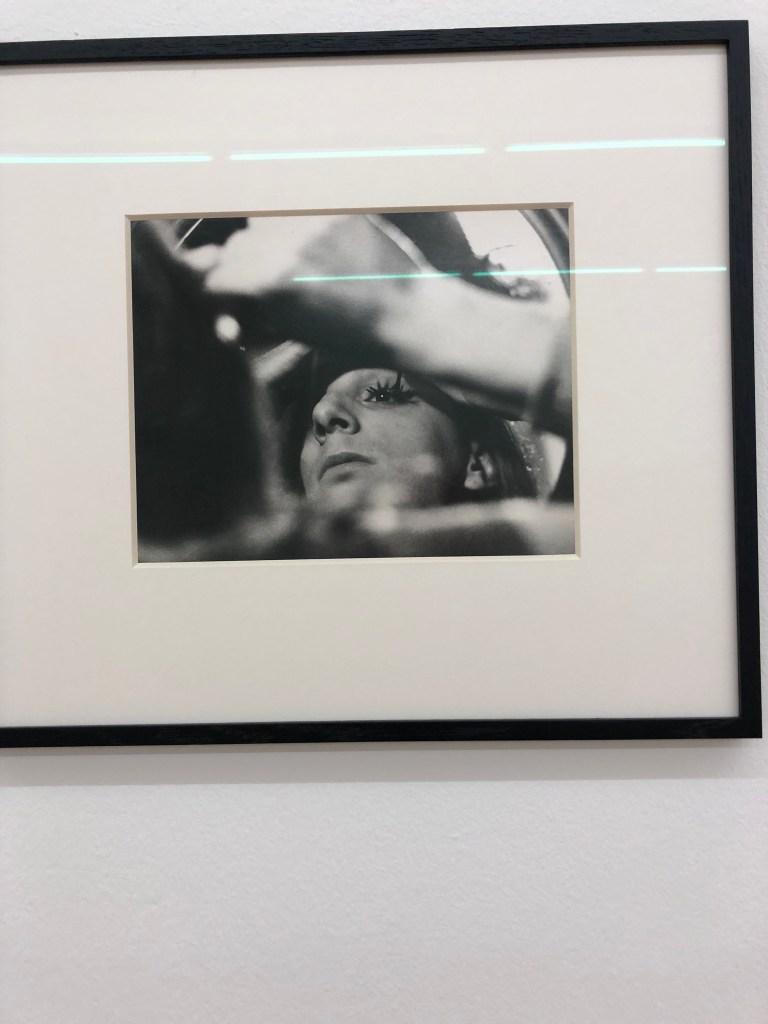
This is one of Carmi’s most controversial photo series, because at the time it was done transvestites and the subject of gender identity was a very taboo subject in Italy (where these photos were taken. Carmi was the first to photograph members of the LGBTQ Community in Italy. Because these photos are taken in very friendly, and familiar environments it’s meant to show humanity and comfortable, Carmi is trying to show the world at the time that transvestites and members of the LGBTQ Community are human and just like everyone else.


A Place Beyond Belief

This is a piece by Nathan Coley.

First Response? I find this piece very pretty and aesthetically pleasing

Questions? “Why is this quote so important? Why is it set at a church? Is it meant to be religious? Is it site-specific?”

What type of work? In what categories? This piece seems site-specific and religious in some way.

What is the text about? I believe the text could be numerous things, however because it is placed above a church I believe it has something to do with the bible, and might be in reference to Heaven or God. Nathan Coley has stated that the piece was made to represent the importance faith, not specifically religious faith or something like that but more the general concept of faith.

Reaction after listening to Monologue? I think it was a very powerful and beautiful monologue and showed how much deeper the idea behind this piece is.

It doesn’t have a specific siting.

My views have not changed much since listening to Coley talk because I believe the piece in still about having faith and hope, and many people can interpret that or late it to religion.

Is contextual information essential to understand contemporary work? No I believe it is definitely not. If you would like to know the artist’s reason for making the piece and their connection to the piece itself then contextual information is good to have, however if you want to interpret the piece on your own in your own way then you do not need contextual information.

Is it an essential ingredient? No definitely not, however personally I do most of the time, if it’s a piece I find particularly interesting, like to know more information on it.

Personal Opinion: I find this piece very interesting and fascinating, because it has the ability to be interpreted in so many different ways by different viewers, besides it original use.

Vatnajökull (The Sound of)

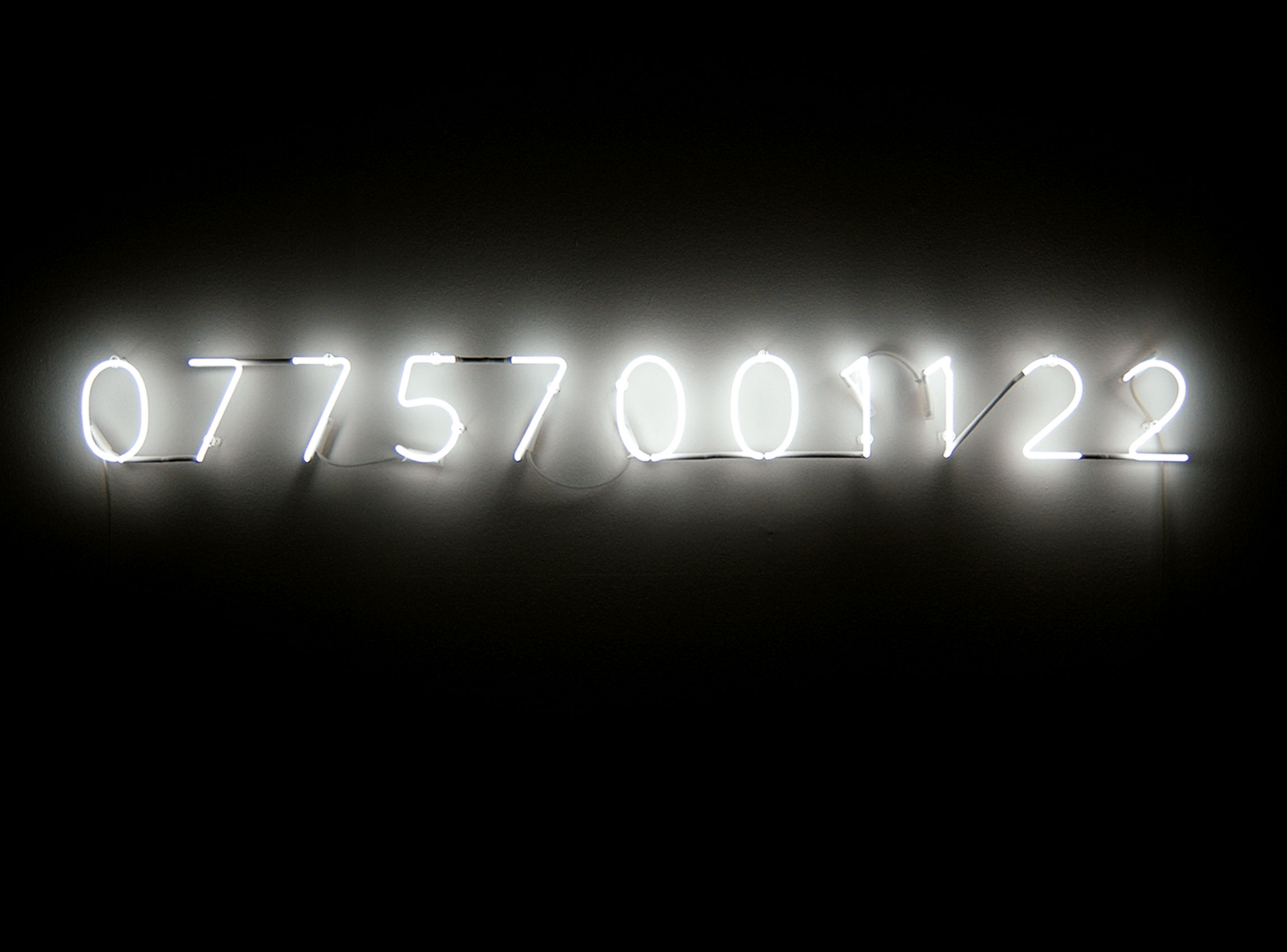
This is a piece done my Katie Paterson, and it is a phone call that anyone can call and listen to an Icelandic glacier slowly melt away. Paterson has two photos showing how the glacier looked when she started this project and how it looked about a year later.

How would you define this piece in terms of media? I find this piece incredibly interesting and definitely makes a statement. I believe it was put out to the media to make a statement about global warming and trying to express how dire our situation is. She made it very public to the media especially by giving a glacier its very own phone number, so people can even call in a listen to our world slowly falling apart.

Sam Taylor-Wood: Still Life

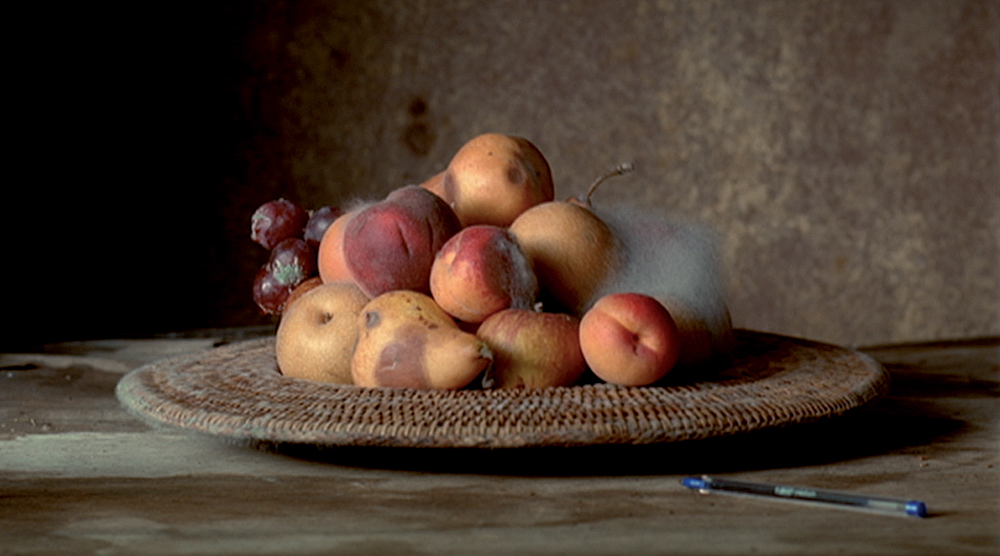
Sam Taylor-Wood’s film piece “Still Life” is simply mesmerising in so many ways. It is an astonishing short video of a fruit bowl slowly decaying, and with the musical accompany it somehow makes the viewer feel very on-edge and start to question many aspects in life. The piece could mean many things, however one meaning could be that Taylor-Wood is trying to show us the importance of life. As stated previously, in the video you watch a bowl of fruit slowly decay over time, and this could be a way of trying to show how important life is and how quick life can pass a person by, in mere minutes. As the video progresses and the fruit slowly decays you can also hear how the music which was already sad, goes further into a minor key and makes the piece even sadder, as if you’re watching a real life decay and fade away in front of your own eyes. Another perspective could be that the fruit bowl represents a sort of society, how from a functionalist perspective she could be showing how if one fruit starts to decay (if one part of society has a problem) then the decay will spread to the rest of the fruits and kill them all a lot quicker (society will fall apart), this also can be known as “the domino effect.” There could be many other perspectives and reasons why Sam Taylor Wood decided to create this piece, however these are just a few examples that seemed to stand out. 

Case Study: Interpreting Sound

Initial Impression: I found the concept very interesting and appealing. It is a very unique idea and definitely something that no one else would think to do.

What do you think about the sounds? They are very eerie and at least personally put me on edge.

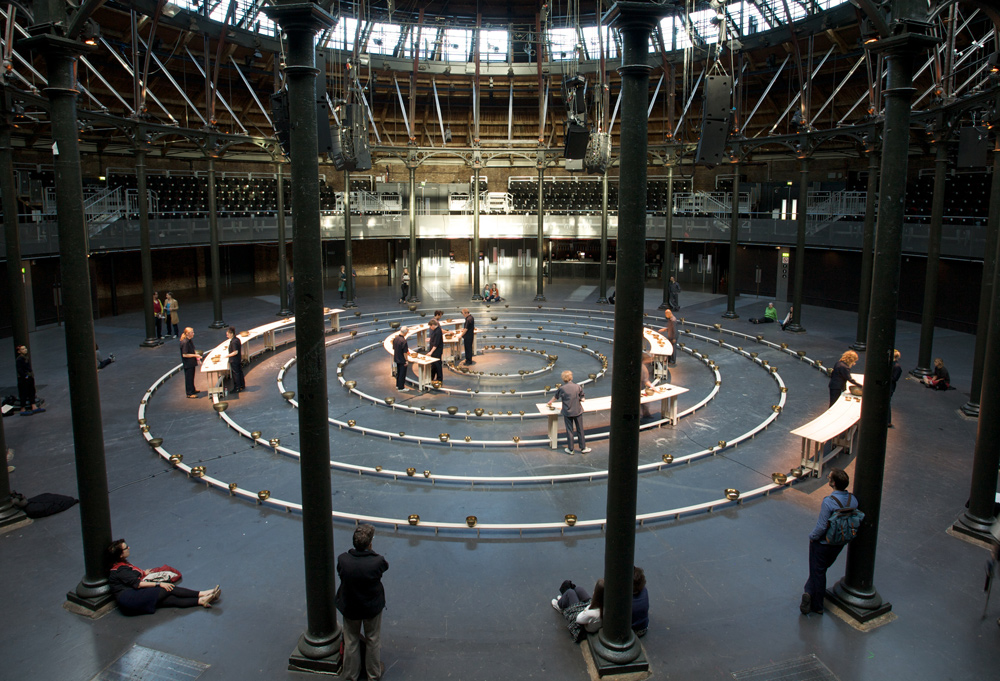
Why did Finer pick these sounds? Maybe because he couldn’t bring in too many complicated and on top of each other instruments at once or it wouldn’t work, as well as I feel the whole concept of a 1,000 year long composition needs to be a bit weird and eerie to work well.

Reaction to “The Physical Impossibility of Death in the Mind of Someone Living”

This piece was made by Damien First in the 1990’s. My initial reaction is that I am very interested and curious of this piece and how it connects to it’s title, as well as everything to do with it makes me very interested to learn more about it. It is incredibly thought-provoking.

My emotional response would be fear if it were a living shark coming towards me, however because it is frozen in time I am more curious and relaxed (which I believe might’ve been Hirst’s point for this piece).

I believe that Hirst’s intention for this piece was to frighten and shock people and make them think very hard. They are being faced with something terribly frightening AKA a shark, however it is no longer alive so it can’t hurt you. There also could be a deeper meaning of the viewers being faced with the terrifying inevitability that is death. The viewer is just “forced” to stare at the monstrosity in awe.

The title in itself, without the art piece, is shocking and thought-provoking, we as living humans can never truly understand what it is like to be dead, and this piece is almost daring the viewer to question and figure out what it is like to die/be dead whilst still being alive.

What is Art?

What is art? Art can’t exactly be described because art is completely subjective and personal, a piece of art that someone might believe is beautiful another may find hideous. Art is personal, and based what you personally find creative or artistic or fascinating.

How do we know it is art? If someone decides and says that something is art then most likely people will agree with them because that is simply the way our society is structured “follow the crowd.” Personally I believe that you can call anything an art form if you find something fascinating or impressive, even though others may think it is nothing.

Who decides what is art? You are your own personal decider, no one can specifically choose what is art and what isn’t, it is what you think of it that matters.

Is it enough to just display a found object and say ‘this is art’ because it’s in an art gallery? To an extend yes it would be enough because as previously stated because of the way our society is built most people would just accept that and agree with that statement, as well as the fact that because it is a piece in art gallery it clearly has some level of artistic importance usually.

“To put art back into the service of the mind” What does this mean? What I think it means is that Duchamp wants to create art that makes you think, and requires you to use your mind and question it and its importance in society. I believe that Duchamp wanted to start creating pieces that made the viewer want to know more and want to ask questions.

Is technical skill important? No I do not believe technical skill is important in all artwork, for some pieces yes it would help to have some technical skill, however any one who can pick up a piece of material and place it on a canvas or paper can create impressive art nonetheless.

Does art need to move you emotionally? No art definitely does not need to move you emotionally, personally I find it more interesting when a piece has a deep emotional connection to me, but at the same time there are thousands of pieces of art that I simply enjoy because I think they are beautiful.

Does art have to be unique? No art does not have to be unique, however if you want to make a statement or stand out from other artists then yes it would have to be unique.

Reaction to “Fountain”

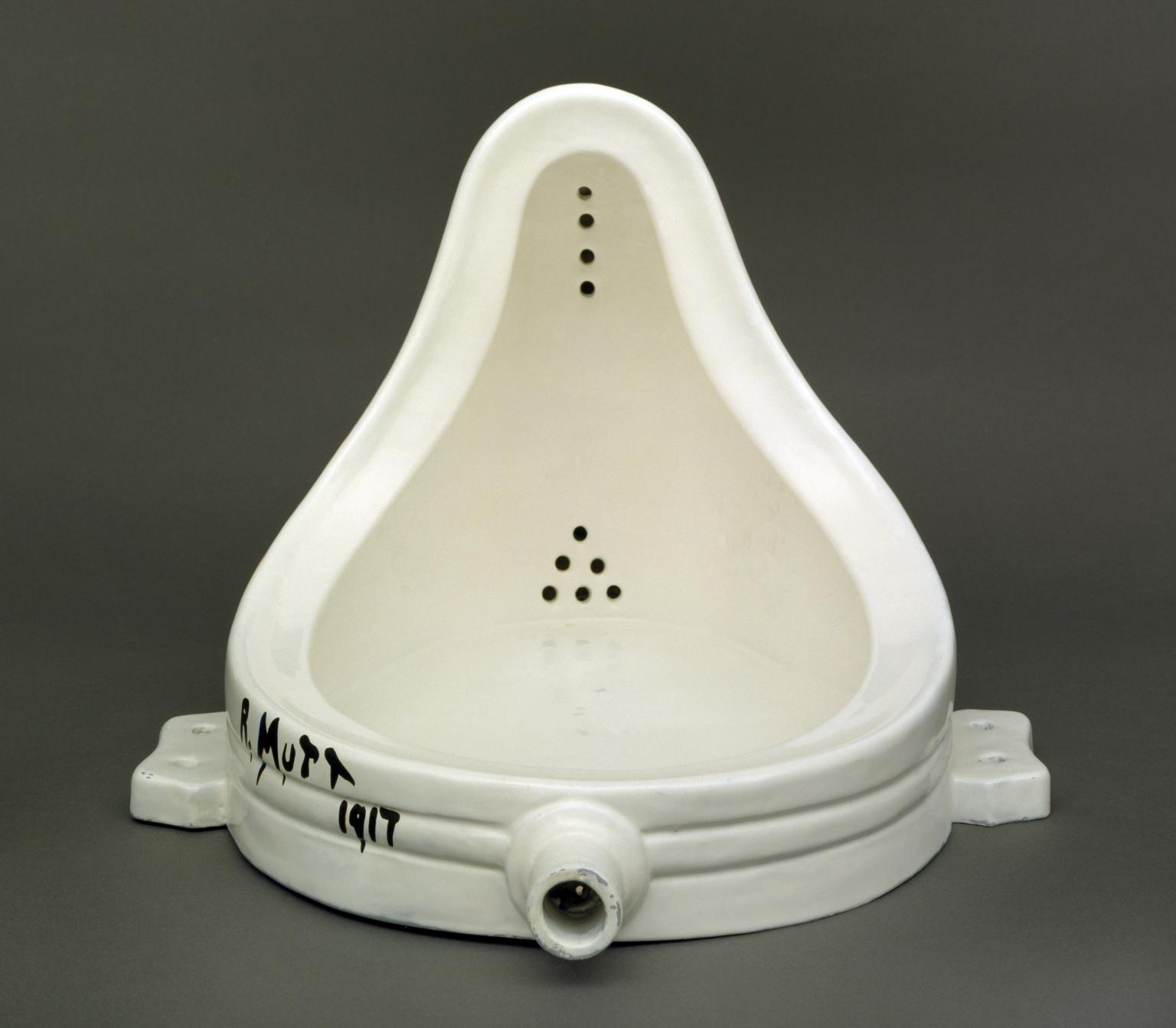
Fountain 1917, replica 1964 Marcel Duchamp 1887-1968 Purchased with assistance from the Friends of the Tate Gallery 1999 http://www.tate.org.uk/art/work/T07573

I’ve seen this piece before and studied it for a bit, however my initial reaction still stands. I personally believe it is ugly, makes a mockery of art, useless, and shouldn’t be such a respected piece.

Reflection on Martha Rosler

This was my first artist analysis on this course, however I have done many other artist analysis’ before this one. I did find it, however, difficult to stay within the 50 words or less limit. I did my artist analysis on Martha Rosler and her piece called “The Gray Drape.” The piece was made in 2008 using Inkjet Print.

The piece shows a clearly very elegant woman standing in the corner of her home, holding up a grey drape to reveal out her window fire, destruction, war, and a crying muslim woman in the corner. Rosler has juxtaposed Ann image of an elegant refined woman and the war together to create what seems like an on-edge and uneasy message.

This piece stood out to me and made me very intrigued because of the juxtaposition in it between the glamorous woman and the death that was literally in her backyard. It is clear that Rosler is trying to send a message with this piece by showing that even though life seems perfect to some people, on the other side of the worlds people are suffering.

Design a site like this with WordPress.com
Get started