Reading Visual Communications

Combining the right kind of typeface, image, and materials to support a given message is fundamental to structuring a visual communication.

Structuralism proposed that human culture can be understood through its relationships within underlying structures such as language.

We draw meaning from images or form language through systems of signs.

Magritte’s “Ceci n’est pas une pomme” from his “The Treachery of Images” series is an exact of language contraction.

Semiotics: the study of how signs are constructed and interpreted.

Sign = Signifier (the form the sign takes) + Signified (the concept to which it refers or represents)

A crown is a signifier of royalty, power, or heritage (the signified).
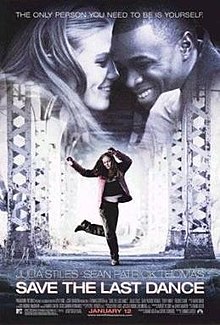
“Save the Last Dance” Poster Meaning

Some obvious things we can take from this poster is that there is romance and love in the moving as we can see the main female and male character smiling and embracing each other, which usually in movies indicate love of some kind.

You can see that the movie is about dance or some how has dance incorporated into it because of the title, as well as the main female chatter appears to be dancing or to be in the middle of a dance move in the movie poster, which can also make the viewer believe that the movie must be centred around her.

She is standing/dancing in some sort of construction area according to the pillars around her, and because the colours are in darker tones it would appear that the movie might be quite sad or powerful.

Collage Idea: “Help The Amazon”

The amazon rainforest is currently falling apart, and only a few weeks ago it was on fire and burning down and it took weeks for people to notice, and not a lot of people are caring about the issue. So the piece I would want to create in perhaps photoshop, or simply with paper, would be centred around this issue.

On one side of the photoshop piece I would have a photo of protestors protesting to help raise money and awareness for the rainforest and climate change and then in the middle there would be a group of young adult people turning their back on the climate change and rainforest protest people and turning and shaking hands with people who are deciding to storm Area 51 in Nevada, which is a viral social media topic, that is very unimportant, and quite useless when climate change is causing the world to fall apart. 

On the left side would be the people looking for help for the amazing rainforest burning down, in the middle as the young adults with their backs turned, and on the right side are the people trying to get volunteers to storm area 51. 

I do not have any specific reassures because I description the information through random social media, and family and friends.

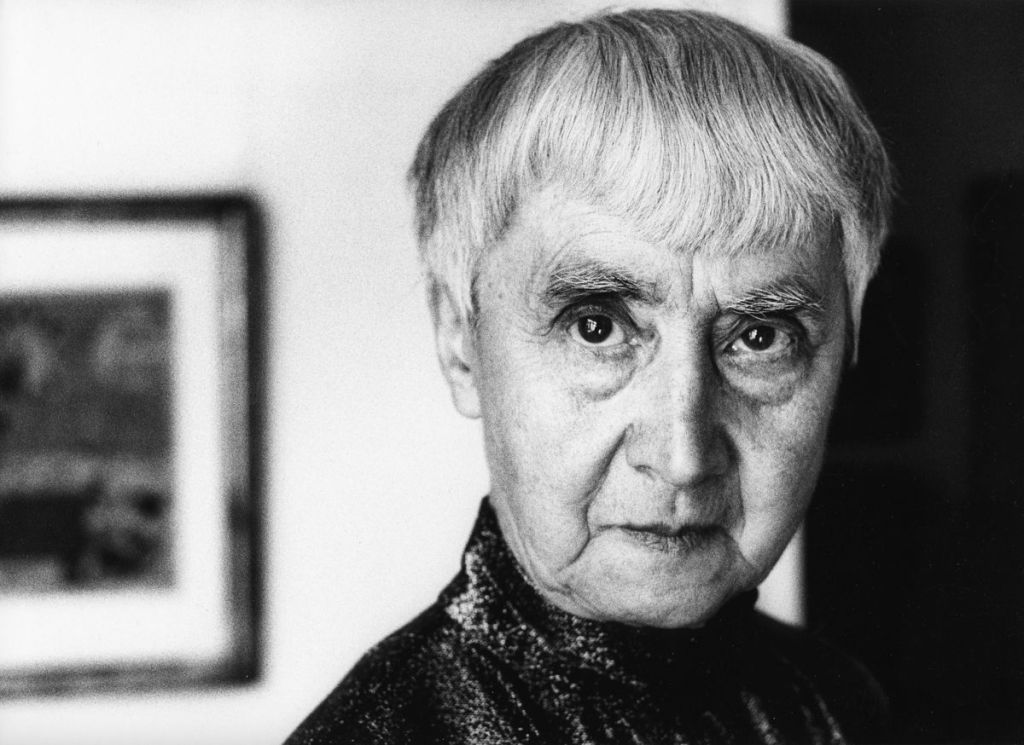
Hannah Höch

https://en.wikipedia.org/wiki/Hannah_Höch

https://www.artsy.net/article/artsy-editorial-radical-legacy-hannah-hoch-one-female-dadaists

Born: November 1, 1889, Gotha, Germany

Died: May 31, 1978, Berlin, Germany

Known for: Collage

Spouse: Kurt Matthies (1938-1944)

German Dada artist Best known for her work at the Weimar period One of the originators of photomontage.

Intended to dismantle the fable and dichotomy that existed in the concept of the “New Woman”

New Woman: an energetic, professional, and androgynous woman, who is ready to take her place as man’s equal. 

Key themes in her work: androgyny, political discourse, and shifting gender roles.

All interacted to create a feminist discourse surrounding Höch’s work


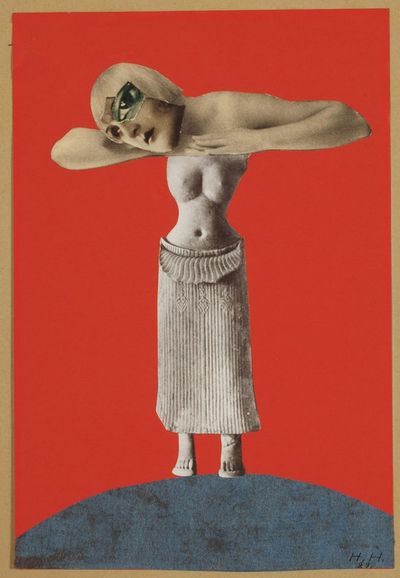
https://www.artsy.net/artwork/hannah-hoch-ohne-titel-aus-einem-ethnographischen-museum

“Ohne Titel (Aus Einsem enthnographischen Museum)

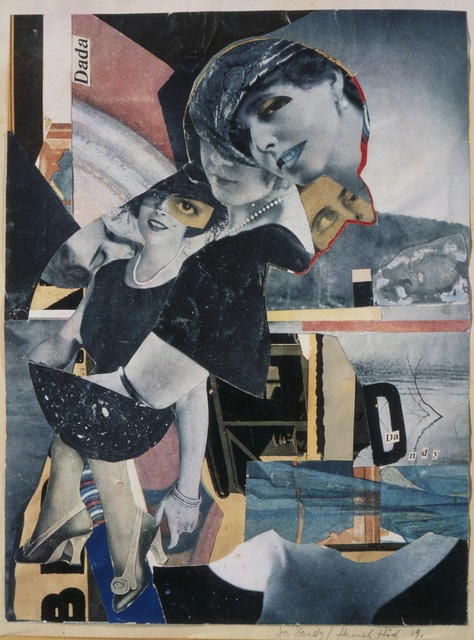
https://www.artsy.net/artwork/hannah-hoch-da-dandy

“Da-Dandy”

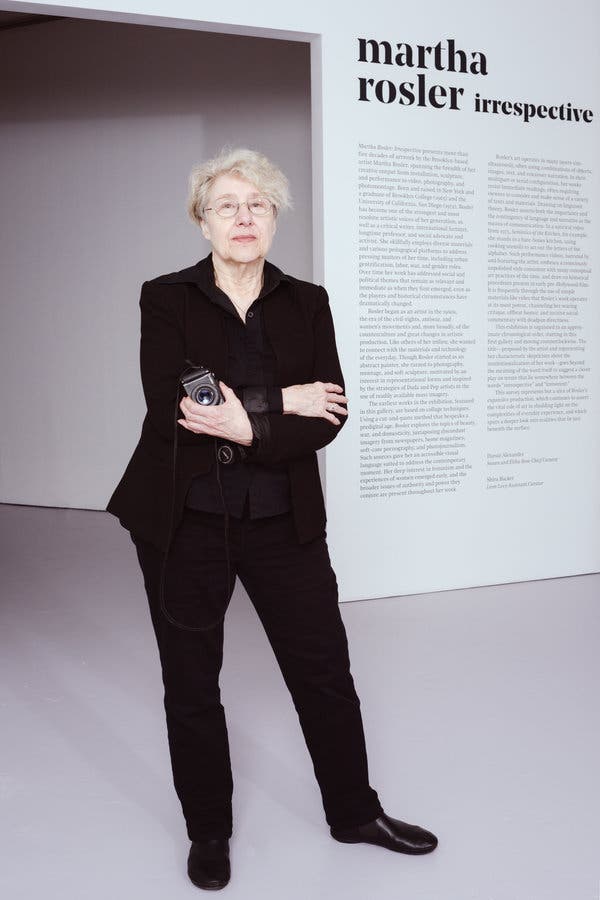
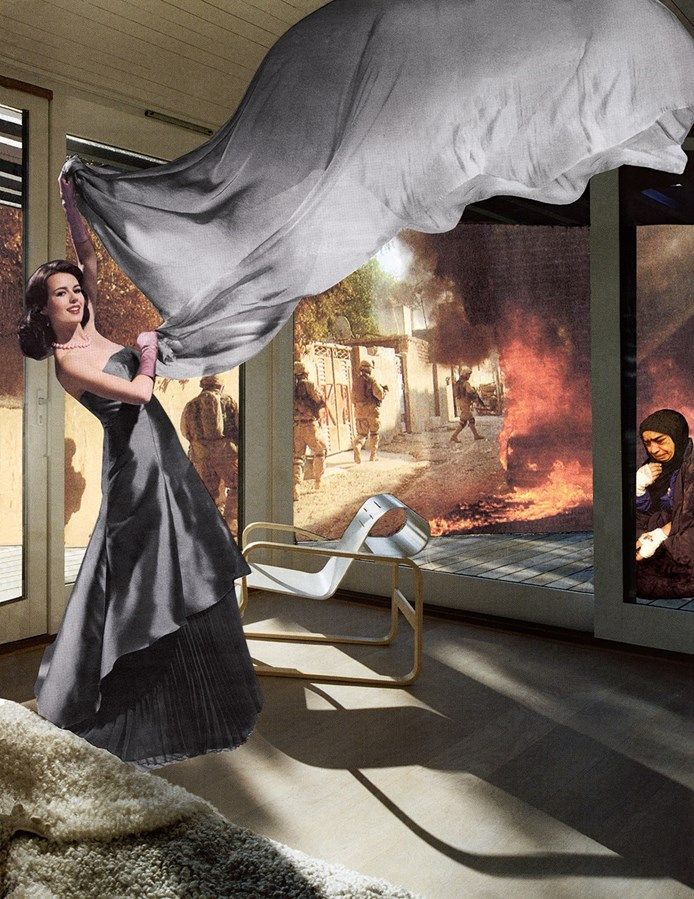
Martha Rosler

https://en.wikipedia.org/wiki/Martha_Rosler


https://www.nytimes.com/2018/11/06/arts/design/martha-rosler-jewish-museum.html

Born: July 29, 1943, Brooklyn, New York, United States

Age: 76 years old

Known for: Conceptual art

American artist

Works in photography, photo text, video, installation, sculpture, and performance 

Also is a known writer for art and culture

Centered on everyday life, and the police sphere, usually through the perspective of a woman. 

Recurrent themes are media and war


https://www.pinterest.ch/pin/497295983846835891/?lp=true

“The Gray Drape”

https://newrepublic.com/article/152663/martha-rosler-irrespective-jewish-museum-shows-how-world-works

“Cleaning the Drapes”

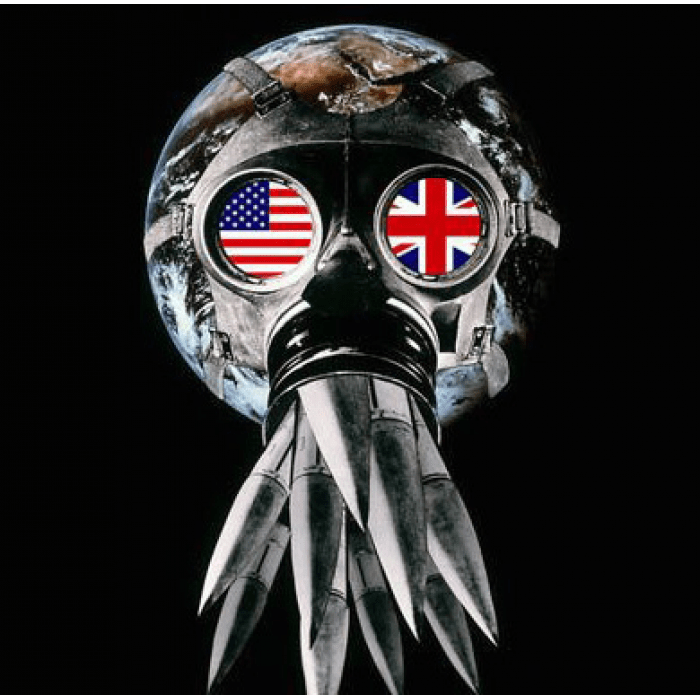
Peter Kennard

https://en.wikipedia.org/wiki/Peter_Kennard

https://www.rca.ac.uk/more/staff/peter-kennard/

Born: February 17, 1949, Maid Vale

Age: 70  Style: Photomontage

Education: Royal College of Art, Slade School of Fine Art

Seeking to reflect his involvement into the anti-Vietnam War movement. 

Originally was a painter but changed to photomontage to better address his political views.

London-born photomontage artist and Senior Research Reader in Photography, Art and the Public Domain at the Royal College of Art.

Best known: images created for the Campaign for Nuclear Disarmament in the 1970s-80s. 

https://www.brandler-galleries.com/artist/peter-kennard/

“Union Mask”

https://www.thetimes.co.uk/article/peter-kennard-the-unofficial-art-of-the-battlefield-p8lqqxdfzpb

“Peter Kennard’s Newspaper I”

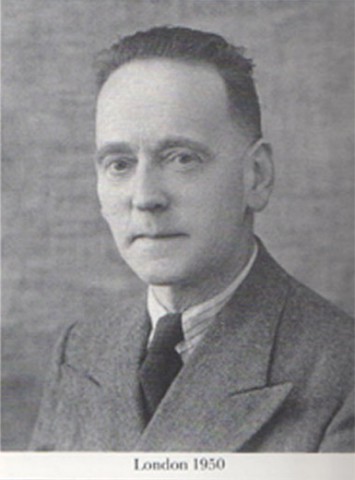
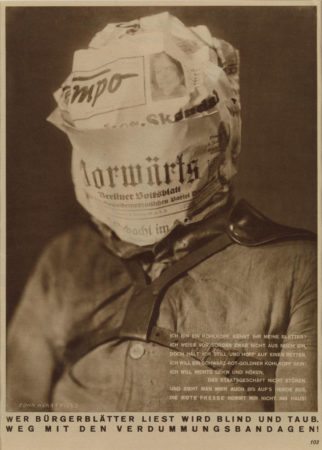
John Heartfield

https://en.wikipedia.org/wiki/John_Heartfield

https://www.johnheartfield.com/John-Heartfield-Exhibition/helmut-herzfeld-john-heartfield/politics-dada-photos/john-heartfield-portraits

Born: June 19, 1891, Berlin, Germany

Died: April 26, 1968, East Berlin

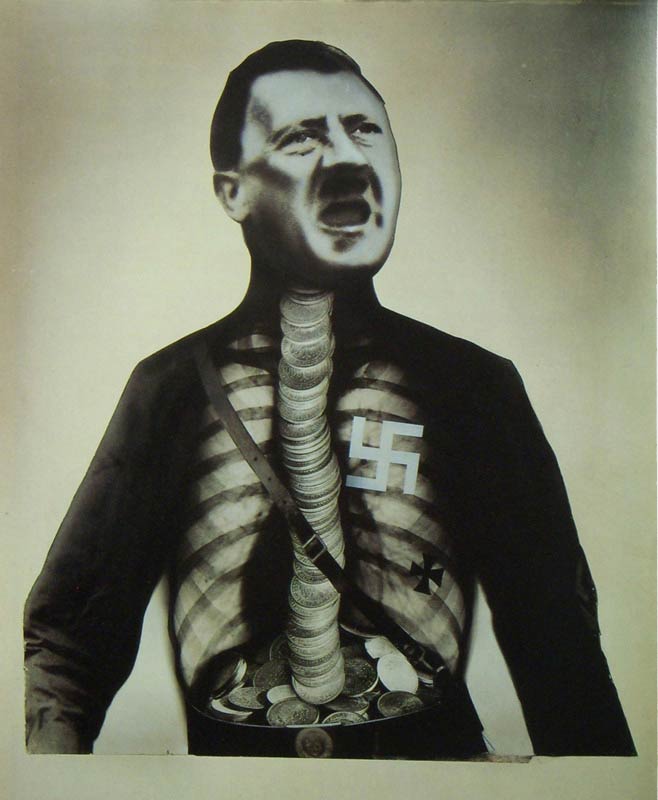
Known for: Photomontage  German Visual artist who pioneered the use of art as a political weapon. 

Most famous photomontages were anti-Nazi and anti-fascist statements.

Albert Weisgerber and Ludwig Hohlwein were early influences.

John Heartfield had to change his name for Helmut Herzfeld, as a protest against anti-British fervour sweeping. 

https://www.theartstory.org/artist/heartfield-john/

“Adolf the Superman: Swallows gold and spouts junk”


https://spartacus-educational.com/spartacus-blogURL66.htm

“Whoever Reads Bourgeois newspapers becomes blind and deaf”

Re-Contextualising Images

Collage comebines pre-existing images to create new meanings, by cutting out, overlaying, or juxtaposing different images together.

Collage artists for social commentary: Johnn Heartfield, Peter Kennard, Hannah Höch, Martha Rosier.

Photomontage: a combination of several photographs joined together for artistic effect or to show more of the subject than can be shown in a single photograph.

https://www.dictionary.com/browse/photomontage

Mixed Messages

Exercise 1:

What kind of messages are the statements below sending?

1: “Enjoy your Stay” The words are very welcoming and inviting to the customer who is stays at this establishment, and the font that it is written is is more medieval time period, which ironically was a time period that wasn’t very comfortable, and not very welcoming nor appealing.

2. “DO NOT FEED THE ANIMALS THEY ARE DANGEROUS” The writing is in all caps to seem more severe and serious, as well as to warn them more. The font is very legible so that everyone can read the warning and be aware of the danger.

3. “We are professionals” They are sending a message that they are formal professionals who like to be treated with respect.

4. “LUXURY” The font it is written in seems like it was from greek times which can mean that luxury and royalties start to become very serious in those times, as well as the font looks very fancy and interesting.

5. “hand made” It is done in a very basic everyday used font to make it seem more home-like, and a look more simple, and down to earth because its meant to be made my hand.

Images: Graphic designers rely on the cultural associations we have with typefaces to convey their message or help establish a tone of voice.

Combining Visual Elements

Most visual communications can be reduced down to a basic combination of text and images set within a composition that might also include other blocks of colour or shapes.

Visual communication that involve film, animation, or interactivity may also include sound and moving image as well.

Using Text: The written word or text is fundamental to much visual communication. Publishing, information design and to a lesser extent within moving image forms.

“Typography is concerned with both the creation of typefaces and their arrangement to convey a message” (Baines & Haslam, 2005, p.7)

Typography can convey a message in two ways: through the words its presenting, and through the way it visually presents those words. This enables visual communicators to provide a tone of voice to a piece of text by their choice of typeface, its scale and the way it’s arranged.

Design a site like this with WordPress.com
Get started