Types:

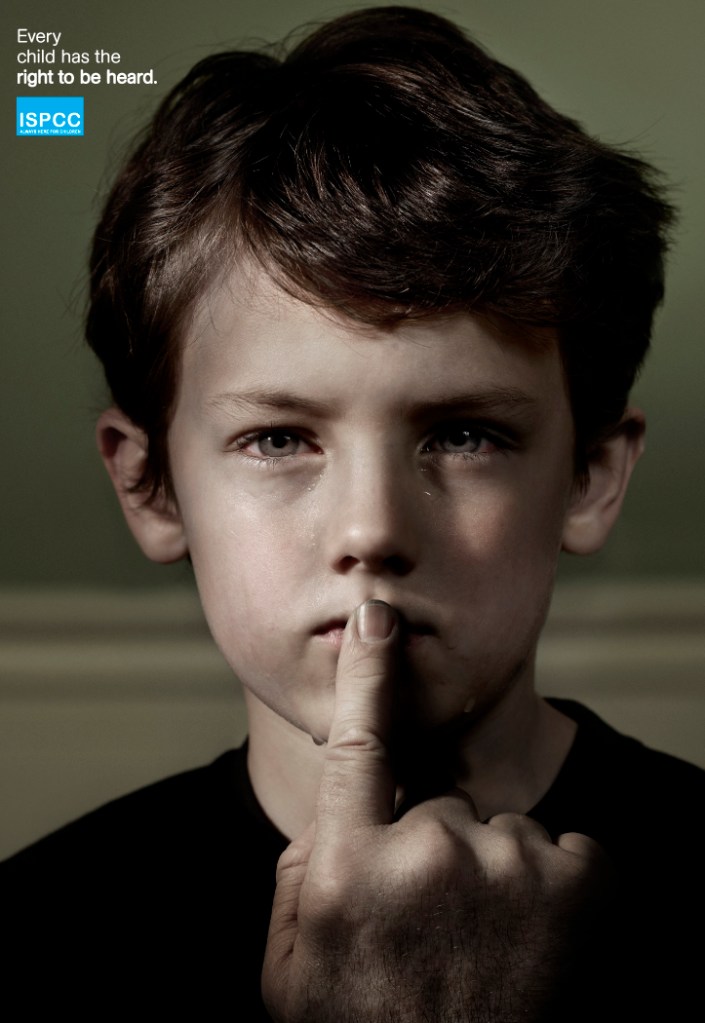
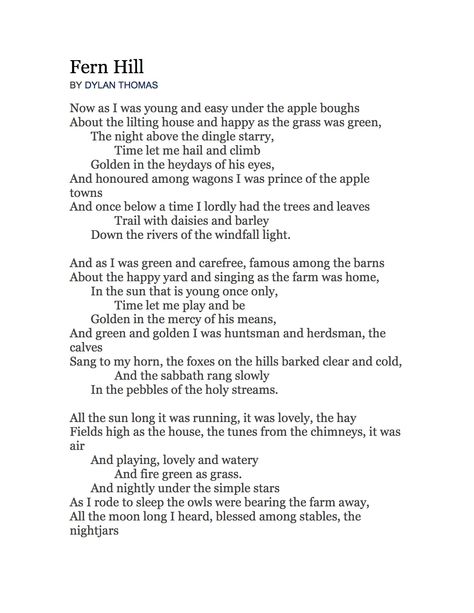
Persuasion: Convince, entice and direct the viewer for commercial, political or social ends. This advertising plays on our emotions and sense of self-identity. Persuasion can encourage people to live healthier lives, or try and change their attitudes for the better, but also can be used in forms of propaganda.

Information: Delivering Information or content in some way. Books, newspapers, and leaflets to road signage, safety information, or instructional diagrams. Graphic designers will present novels in ways that prioritise the reading experience, while signage is designed to alert in quick direct ways.

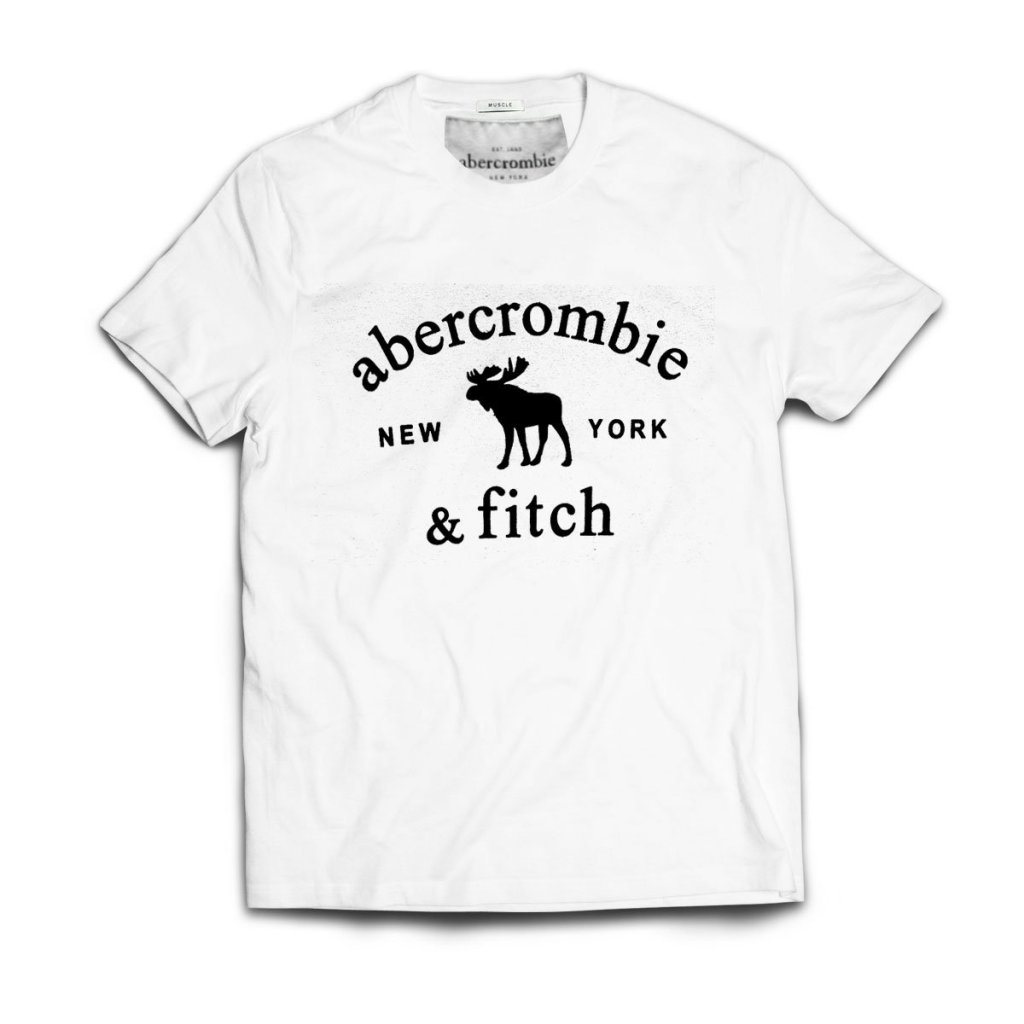
Identity Design: Creating a particular emotive response or association with a brand identity, logo or other visual identity. Many examples in magazines or Sunday supplement.

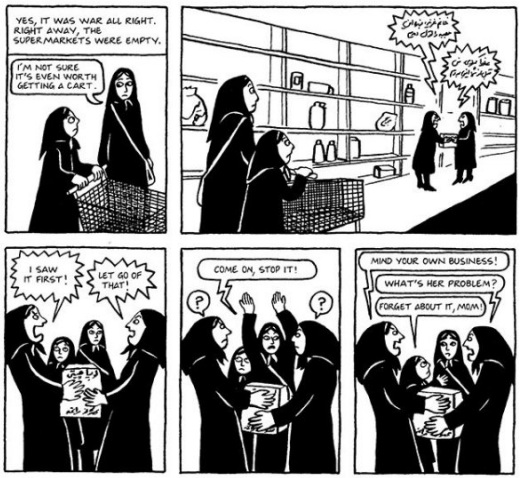
Authorial Content: Focuses on generating new and engaging content through comics, graphic novels, animations, and other media. Aims to entertain, satirise, or educate and more closely aligned with other creative disciplines in which the artist has more control over the authorship of the work.

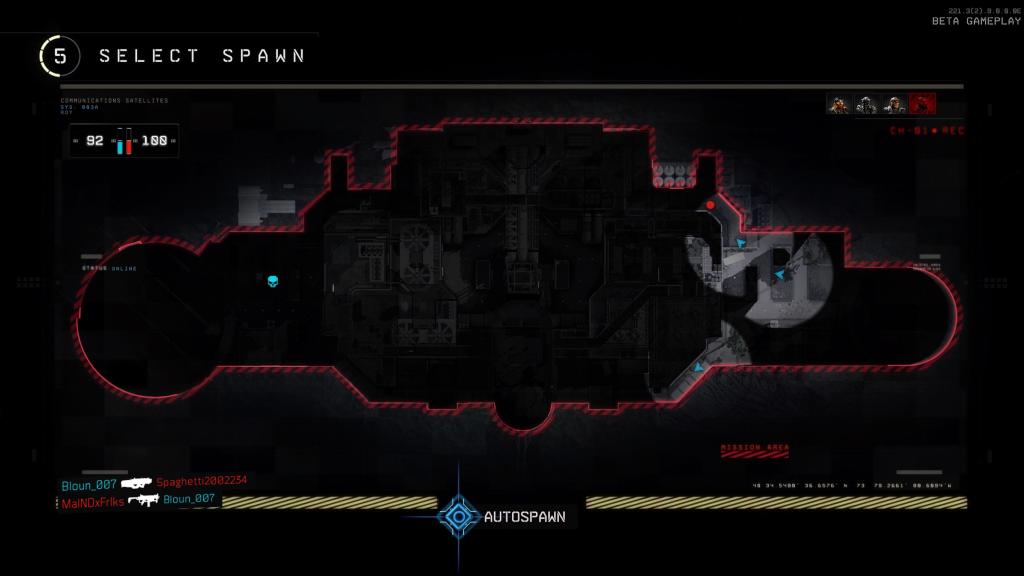
Interactive Design: New media, interactive communications offer users the opportunity to get visual feedback, contribute content or simply feel a part of something. Games design, user interfaces, and web design all contain element of interactivity.

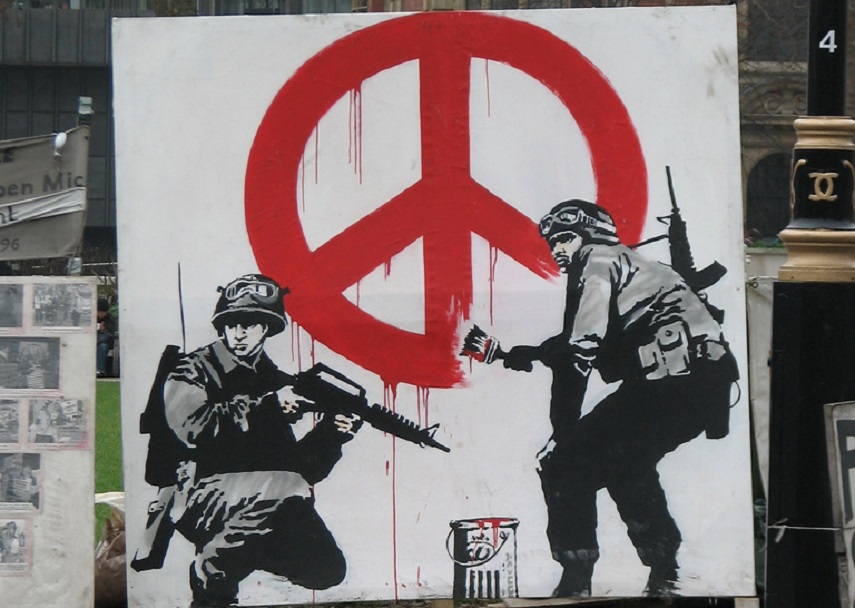
6. Alternative Messages: Isn’t just about promoting commercial interests or conveying governmental advice through mass media. Also used as a subcultural and grassroots tool for protest, creating identities, or developing new ways of communication, Global protesters, pressure groups, and cultural movements.

What is Mass Media?

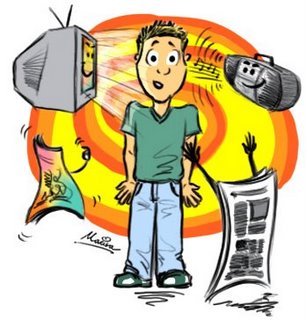
Generally refers to technology used to send a message to a large audience.

New media revolutionised mass media and has allowed people to send out information and receive information on a much later mulch more global scale and a lot quicker.

“the medium is the message” -Marshall McLuhan. This statement draws attention to the fact that our reading of a message is shaped by the means through which it’s communicated.

Contemporary Visual Culture

“If graphic design is abut anything, it is about culture”-Malcolm Barnard (OCA, Downs, 2012, p35)

“The concept of a culture of design…reinforces the point that design is an activity which is defined to some degree by social milieu in which it operates. Therefore we cannot conceive of any theory of design that is independent of a theory of society”-Victor Margolin (OCA, Downs, 2010, p.35)

Depending on your cultural background depends on how to can interpret visual communications i.e. different colour combinations can symbolise different flag, national symbols, street signs, grocery stores, depending on who you are and where you come from.

What are the areas where Visual Communications is used?

Magazines, newspapers and other forms of publishing, photographers and illustrators visualise and document image-based content.

https://billcharlesblog.wordpress.com/2012/05/09/alex-telfer-communication-arts-photography-annual-53/

In advertising, marketing and other forms of promotion, teams are made up of specialists who can generate ideas, visualise them and reflect on their appropriateness for the given context.

Graphic designers, illustrators and photographers might work with architects, engineers and planners in visualising plans.

Moving image provides equally broad scope to combine different roles, with filmmakers, animators, and graphic designers working together.

Mobile technology, the internet, web and game designers might collaborate to combine technology and visual content.

Visual Communications

Visual Communications is an umbrella term for a range of disciplines that creatively use mass media to communicate a message to an audience. -OCA Definition

Visual communication is the conveyance of ideas and information in forms that can be seen. Visual communication in part or whole relies on eyesight. Visual communication is a broad spectrum that includes signstypographydrawinggraphic designillustrationindustrial designadvertisinganimationcolor, and electronic resources. -Wikipedia Definition

https://en.wikipedia.org/wiki/Visual_communication

What do we mean when we talk about mass media or contemporary culture? In what contexts does visual communication take place – and what forces shape it?

Visual communications is something you do not something you are. Visual communication pieces much like reading is all based on perspective and can interpreted in many different ways, and not always in the way the person intended for the image to be interpreted.

The Road

Re-write in first person narration: I pushed the cart and the boy and I both carried knapsacks. In the knapsacks were essential things incase we had to abandon the cart and make a run for it….I shifted the pack higher on my shoulders and looked out over the wasted country.

Re-write in second person narration: You pushed the cart and both you and the boy carried knapsacks. In the knapsacks were essential things in case you both had to abandon the cart and make a run for it….You shifted the pack higher on your shoulder and looked out over the wasted country.

If McCarthy used a third person narration in the boy’s perspective or the man’s we would get descriptions that were less omniscient and more personal and bias to the environment, as well as typically with third person narrations you get a lot of anecdotal stories told along the way.

The fact that McCarthy didn’t give the characters names it makes the reader less attracted to the characters as well as it makes the characters seem more anonymous and mysteries, whilst if we knew their names we could make a more personal connection to them or relate them more to people in our lives with similar names, so by not giving them names it can make the reader more curious.

McCarthy writes that the man and the boy are both carrying knapsacks “incase they need to abandon their carts and make a run for it.” This indicates that they are in some form of danger, by stating that they would need to “make a run for it.” The reader can guess that the danger might be human or man made destruction, by stating that they are walking in the “gunmetal light” indicating guns which are man made, as well as that they are walking through ash so some for of mostly likely man-made destruction has occurred i.e. war.

It seems that the story might’ve been set in post-apocalyptic times. McCarthy writes that the man “looked out over the wasted country” meaning that the country that once was full of civilisation and humans is now destroyed and gone most likely, as well as it states that they are walking through ash meaning that there has been some form of fire or explosion that has occurred.

Although the roads seem empty for the moment it seems that there are people hiding in the wind waiting for the right moment to attack.

It seems that the destruction was most likely man made, and from the description most likely a nuclear war or some sort of bomb attack or explosion.

It is not clear where they are going or where they have come from, however it seems that they most likely are survivors from the wasted country, and are on their way to find a place of salvation.

The road can symbolise many things, however it seems that this specific road is very important because perhaps this is their road to salvation and their only way to be safe and if they read the end of this road they may find other survivors who could help them.

The passage uses a lot of imagery through to create this creepy eerie atmosphere.

He might’ve not added punctuation to the speech to set the reader on edge and catch them off-guard just like this survivors were.

McCarthy uses a lot of imagery and tries to attack all our senses, by comparing the river to a serpent, he is making the river seem more alive an dangerous because typically serpent creates are long and dangerous, by comparing the light to gunmetal it sets the reader on end because it is a reference to guns which are dangerous.

McCarthy uses a mix of long and short sentences and a mix of complex and simple sentences. The short sentences are to add suspense to the reader, whilst the longer more complex ones are used to add imagery and describe the scenery more.

It makes me curious to read more into the book and know more about the boy and the man and if they survive and reach the end of this road.
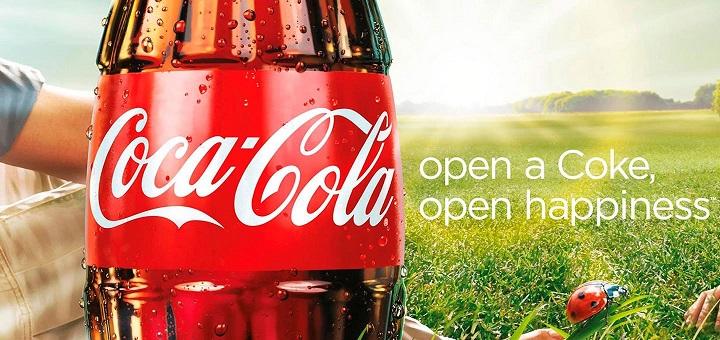
Analysing “Fern Hill” by Dylan Thomas

What’s the mood of the poem? How does it make you feel? The mood is very reminiscent of childhood and times when life was such simpler.

What poetic devices does Thomas use and what effect do they have on the poem? Use the list above to help you. Thomas uses similes to represent his comparisons and bring across his words, however Thomas does it in an unconventional way by bringing to comparisons together “happy as the grass was green” instead of saying “as happy as the day was long” which is the more conventional way of describing happiness. Thomas also uses a lot of imagery in his piece to bring a strong childhood image into our heads, as well as his metaphors. 

How do the poetic devices help evoke the theme of time and place? Can you identify any other themes running through this poem? The poetic devices used show the theme of childhood and reminiscing.

What is the poem is saying about time and place (and any other themes you’ve identified)? The poem shows what time was like when the poet was younger and merely a child.

What lines or images stay with you? What do they remind you of or how do they make you feel? I don’t know

What’s the rhythm like? Is it choppy or is it flowing and smooth? How does the rhythm impact on the poem? It is flowing and gliding into itself making it very easy to read, just like how childhood should be easy.

Is the ‘speaker’ important? What are his views? Are they apparent or inferred? The speaker in this case is less important as you can see that he is simply describing his past and his memories.

Are there any lines you don’t get? Can you hazard a guess as to what they mean or allude to? I understand all the lines.

Poetic Devices in Literature

Poetic devices are also used in thousands of books to add suspense, description, clarity, etc.

In many comic books the authors use onomatopoeias to create accurate shows when the protagonist will attack the antagonist i.e. classic batman and robin comics.

Many mystery and thriller books use short quick sentences or repetition to create suspense and fear in the reader.

Analysis of Pat Mora’s “Old Love”

https://www.poetryfoundation.org/poems/58831/old-love-56d23d8c91186

When my aunt died,
my uncle raised his hands
like a prophet in the Bible.
“I’ve lost my girl,” he said,
“I’ve lost my girl,” over and over,
shaking his head.

I didn’t know what to say,
where to look,
my quiet uncle raising his voice
to silence.

My aunt was eighty-seven.
“Listen,” my uncle said, sighing
like a tree alone at night,
“women know.
Every midnight on New Year’s Eve,
when others sang
and laughed and hugged,
your aunt looked at me,
tears in her eyes.
Sixty years.
She knew.
One day, we’d kiss good-bye.”

Pat Mora’s poem “Old Love” is a poem told from the perspective of a niece talking about how it felt when her uncle lost the love of his life, her aunt.

This poem uses a lot of poetic devices. In each stanza Mora uses similes “my uncle raised his hands like a prophet in the Bible…sighing like a tree alone at night.” Mora also use repetition as the uncle repeats “I’ve lost my girl, I’ve lost my girl,” Pat Mora used short quick sentence in her poem as well to make the words more impactful and more to the point so they hit harder on the reader.

Poetic Devices

Poetic devices are in no way exclusive to poetry.

“The ones I didn’t know I made bold”

Rhyme: Words that sound alike, usually at line endings.

Rhythm: A metered structure of syllables, consonants, breathing, or press

Repetition: Intentional repetition for reinforcement and effect.

Alliteration: Two or more words in a line of poetry that begin wit the same initial sound.

Assonance: Repeating vowel sounds without consonants. In poetry, often used as an alternative to rhyme.

Consonance: Repeating consonants without repeating vowels. Consonance gives melody to verse.

Onomatopoeia: A word that imitates the sound made by the thing being described.

Personification: Ascribing human qualities to an object.

Simile: A figure of speech in which an image is evoked by likening one thing to another.

Metaphor: To describe something by giving it the identity of something else.

Imagery: Use f devices as simile and metaphor to create images in the reader’s mind.

Design a site like this with WordPress.com
Get started